Moving to a new town is exciting, but it can also feel overwhelming. If Groton is on your radar because of a new role, a shoreline lifestyle, or a move closer to family, you want a plan that keeps you confident from your first search to closing day. In this guide, you’ll learn how to research neighborhoods, read local market signals, plan both in-person and virtual tours, and manage inspections and closing, even if you are out of state. Let’s dive in.
Groton at a glance
Groton sits on the Thames River in coastal New London County, with easy access to Mystic and New London. Start with the Town of Groton website for services, maps, and community info. For neutral, high-level population and housing context, check the latest U.S. Census QuickFacts for Groton.
Groton’s economy centers on maritime and defense work. General Dynamics Electric Boat and the Naval Submarine Base New London are major anchors, which helps support steady housing demand throughout the year. You can learn about the shipyard’s role from Electric Boat’s public materials.
Neighborhoods range from downtown Groton City to coastal villages like Noank, Groton Long Point, and Mumford Cove, plus inland areas with more traditional suburban housing. If schools are on your checklist, use Groton Public Schools for district info and maps.
Map neighborhoods and housing types
Groton includes several distinct villages and shoreline enclaves. A quick, methodical approach will help you compare options.
Step-by-step mapping
- Confirm boundaries first. Check whether an address sits in the Town of Groton, a village like Noank or Groton Long Point, or in nearby Mystic/Old Mystic. The town site links to GIS and land records so you can verify parcel IDs and jurisdiction. Start at the Town of Groton website.
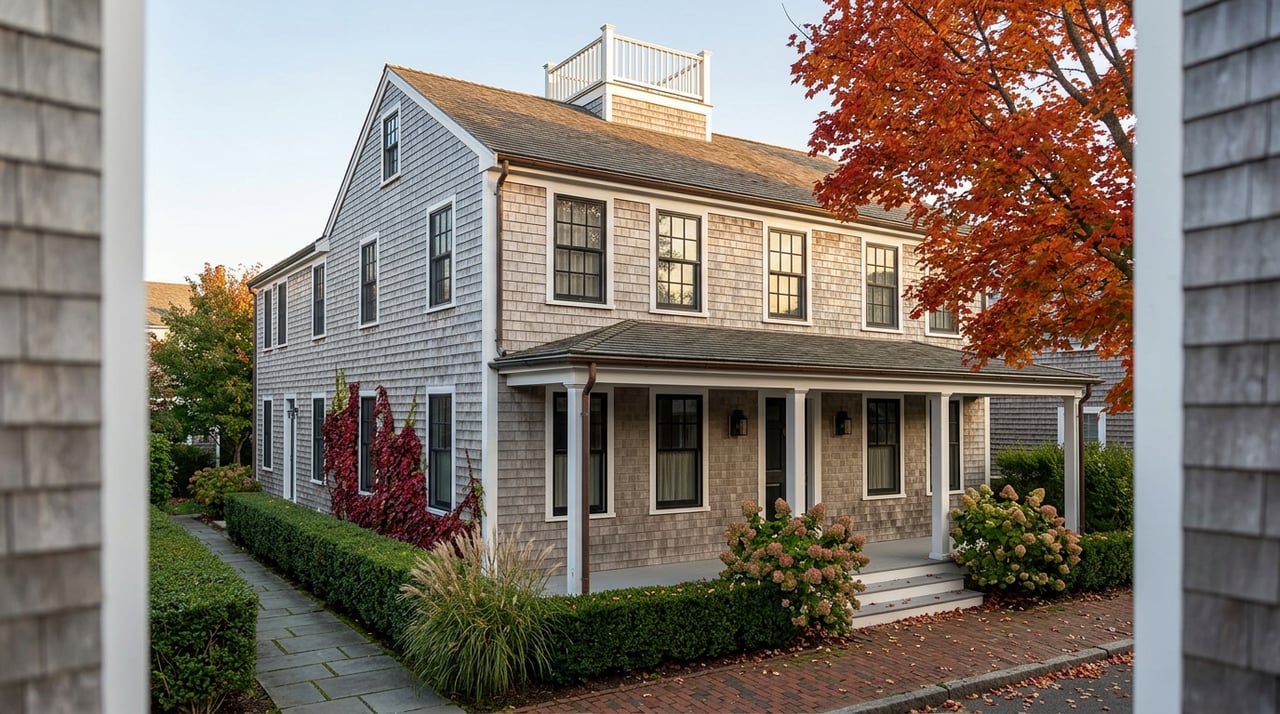
- Note housing form by area. You will find older Cape and Colonial styles near Groton City, waterfront cottages and association-managed lots in Groton Long Point and Noank, and more suburban single-family homes inland.
- Verify utilities. Confirm if a property is on municipal water and sewer or on a private well and septic. For account setup and service questions, contact Groton Utilities. For well and septic records, see Ledge Light Health District.
- Check flood zones. Groton is coastal, so review FEMA maps for each address. Use the FEMA Map Service Center to see if flood insurance is likely.
- Scan local rules for coastal parcels. Repairs, additions, or rebuilds near the water can trigger resilience, setback, or wetlands rules. Review planning resources on the Town of Groton website and discuss with your agent.
Quick neighborhood profile checklist
- Typical property types and age range
- Price band and seasonality notes
- Commute routes to Electric Boat, SUBASE, and downtown New London
- Utilities: municipal vs well/septic, plus who to call to set up service
- Schools that serve the area, starting with Groton Public Schools
- Nearest grocery, medical, rail or ferry access, and any seasonal traffic considerations
Read the market without overreacting
Public real estate portals often show different medians for the same town. They use different boundaries, time frames, and sample sizes, so numbers can vary, sometimes by a lot. Instead of locking onto a single figure, look for ranges and trends across multiple sources. Pay attention to inventory, median days on market, and sale-to-list ratios. If these tighten, buyers often face more competition.
Data caveat: for a specific neighborhood or home type, ask a local agent for an up-to-date comparative market analysis. A CMA will use current, relevant comps rather than broad portal medians.
Plan exploratory visits and virtual tours
Whether you can travel or need to shop remotely, a little structure goes a long way.
Pre-visit research from home
- Build a short list of 3 to 7 homes. Request a video walk-through, high-resolution photos, a floor plan, property disclosures, and recent utility bills to narrow choices.
- Check flood maps for each address using the FEMA Map Service Center. If a home sits on or near tidal marsh or the shoreline, flag it for a deeper insurance and maintenance discussion.
- Ask about oil tanks, well and septic systems, and any recent service records. For well or septic details and permits, contact Ledge Light Health District.
On-the-ground tour tips
- Book a half-day area tour with a Groton-based agent to see candidate neighborhoods and drive common routes. If commute matters, test it during a weekday morning or late afternoon.
- At each home, listen for road, rail, or airport noise, check cellphone coverage and internet options, and visit at different times of day if possible.
Virtual tour best practices
- Request live video tours so you can ask the agent to open closets, show the attic, and run water. Ask for a slow exterior walk-around.
- Ask for a recorded driving tour of the immediate area and a route to Electric Boat or the SUBASE.
- For waterfront properties, request video of the shoreline, any seawall or bulkhead, and a clear view showing how high the home sits relative to mean high water.
Inspections and coastal due diligence
A standard home inspection is essential, but coastal towns call for a few extra checks.
- Standard home inspection covering structure, roof, exterior, electrical, plumbing, HVAC, and visible foundation. For a helpful overview, review this consumer-focused home-inspection checklist.
- Sewer-line scope, especially for older homes or long lateral runs to a municipal sewer.
- Wood-destroying organism and termite inspection, sometimes required by lenders.
- Septic inspection, pump history, and permit review if the property is on an on-site system. Ledge Light Health District maintains records; start with LLHD.
- Private well testing for potability and local contaminants. Review Connecticut guidance on PFAS and private wells at the CT Department of Public Health. Even if sellers have a recent test, plan to test again before closing.
- Flood and coastal-structure review for waterfront homes. Consider a marine contractor to evaluate seawalls, bulkheads, pilings, or docks.
Close smoothly from out of state
Connecticut closings commonly involve an attorney and a title company. With good planning, you can complete most steps remotely, but expect to handle some original documents with care.
Work with local professionals
- Hire a Groton-based buyer’s agent and a Connecticut-licensed real estate attorney or an experienced title company. Confirm who will review title, manage escrow, and record documents.
- Ask your inspector for a written report with photos and a narrated video review you can attend by phone or video.
Remote closing checklist
- Coordinate virtual or recorded walkthroughs and inspector briefings. Get repair agreements in writing with clear photo or video proof of completion.
- Use your attorney or title company as the single verified source of wiring instructions. Call a known number to confirm details before sending funds.
- Clarify which documents must be signed in person, which can be notarized remotely, and how originals will be handled. Confirm who records the deed and pays recording fees.
Remote notarization in Connecticut
Connecticut permits remote notarization under specific procedures, with some records excluded. The statute outlines requirements, limitations, and handling of originals. Review the law and discuss with your closing team using the state code hosted on Justia: Section 3-95b, remote notarization procedures and limits. Plan ahead, since certain real estate documents may still require in-person signatures or delivery of the signed original to the notary after the session. Always confirm eligibility for each document with your attorney and title company.
Your relocation game plan
- Get oriented: browse the Town of Groton site and Groton Public Schools.
- Define targets: list must-haves, nice-to-haves, and deal-breakers by neighborhood.
- Check logistics: verify utilities with Groton Utilities, review FEMA flood maps, and request well/septic records from LLHD.
- Vet homes: gather video tours, floor plans, disclosures, and utility histories for a short list.
- Inspect well: schedule standard and specialty inspections with clear deliverables.
- Close confidently: align with a CT attorney, confirm notarization requirements, and set secure wiring procedures. For any numbers you see online, request a fresh, local CMA before you bid.
If you want a calm, step-by-step partner for your Groton search, we are ready to help you compare neighborhoods, arrange virtual tours, and coordinate inspections. Schedule a free consultation with Town & Shore Realty to plan your move.
FAQs
How do I check if a Groton home is in a flood zone?
- Use the FEMA Map Service Center to search by address, then discuss insurance needs and elevation details with your agent and insurer.
Who handles water and sewer accounts in Groton?
- Groton Utilities manages municipal water and sewer; your closing team will usually request a final reading before closing.
Do I need a local attorney to close on a Groton home?
- Connecticut closings commonly involve attorneys and title companies; ask your agent for referrals and confirm which documents are eligible for remote notarization under Section 3-95b.
How do I verify well and septic details for a Groton property?
- Contact Ledge Light Health District for any available records and permits, and schedule a septic evaluation and private well test before closing.
What should I request for a virtual home tour?
- Ask for a live video walkthrough, a slow exterior pass, attic and crawlspace views, a recorded neighborhood drive, and clear video of any shoreline or seawall if near the water.