Selling a home in Watch Hill is not the same as selling in a typical neighborhood. Buyers here often notice the details fast, from exterior condition and coastal wear to how well a property reflects the area’s historic character and scenic setting. If you want your home to stand out, smart preparation can help you reduce buyer concerns, strengthen first impressions, and launch with confidence. Let’s dive in.
Why Watch Hill prep matters
Watch Hill is a historic coastal village in Westerly known for its scenic setting, shoreline views, and distinctive character, according to the Town of Westerly’s beach and community information. That setting can help your listing make a strong impression, but it also raises the bar for presentation.
The local context matters, too. Westerly’s comprehensive plan notes that Watch Hill residential areas are largely made up of single-family homes on large lots, typically with municipal water but not municipal sewer, which means buyers may pay close attention to both appearance and infrastructure-related questions like service systems and maintenance readiness. In parts of Watch Hill, especially within the historic district context described in the Westerly Comprehensive Plan and the state historic inventory, exterior choices and visible changes can carry more weight than they might elsewhere.
Start with condition, not decor
Before you think about styling, focus on the issues that can create friction for buyers. The 2025 NAR Remodeling Impact Report says buyers are less willing to compromise on a home’s condition, and REALTORS commonly recommend painting and roof replacement before listing.
That does not mean you need a full remodel. In many cases, the better strategy is to fix what looks worn, outdated, or uncertain. Buyers tend to respond well when a home feels cared for and move-in ready.
Fix the visible defects first
Your first pass should target anything a buyer will notice right away or flag as deferred maintenance. In Watch Hill, that often includes both standard cosmetic issues and coastal exposure concerns.
Look closely at:
- roof wear and flashing
- window seals and exterior trim
- deck boards and hardware
- rusted or corroded metal connectors and fasteners
- peeling paint or weathered surfaces
- signs of moisture, dampness, or musty odors
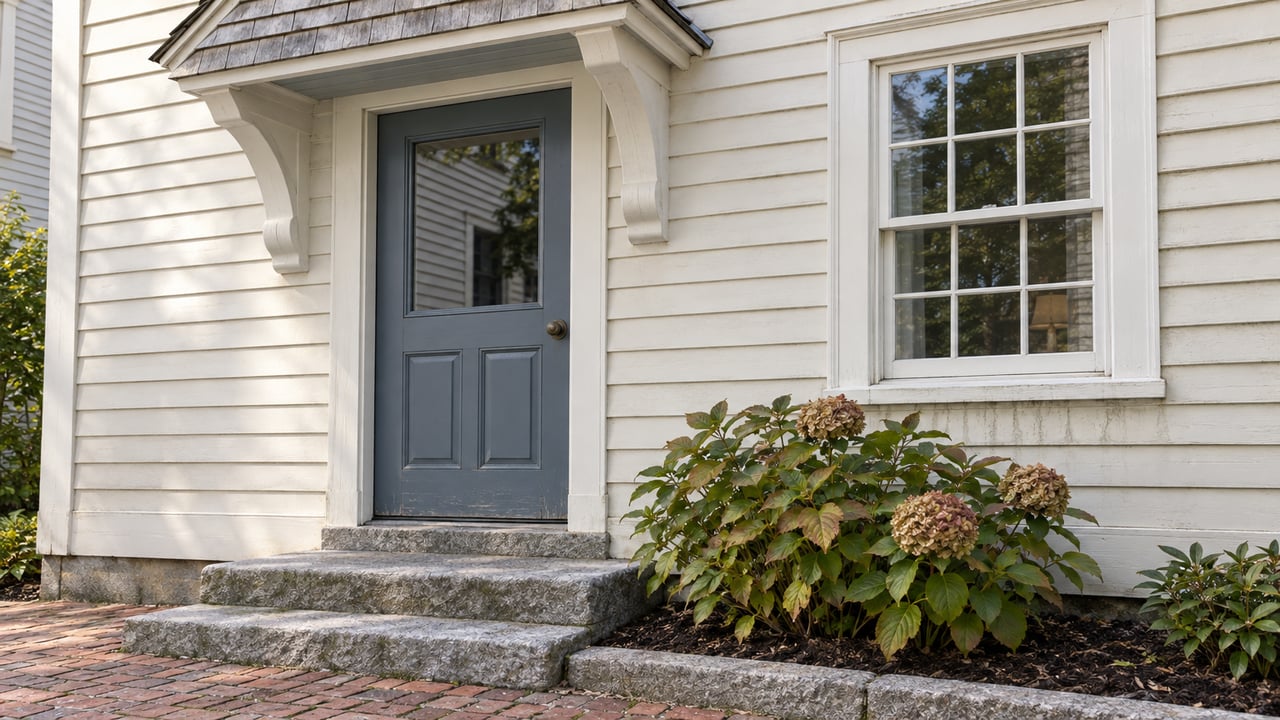
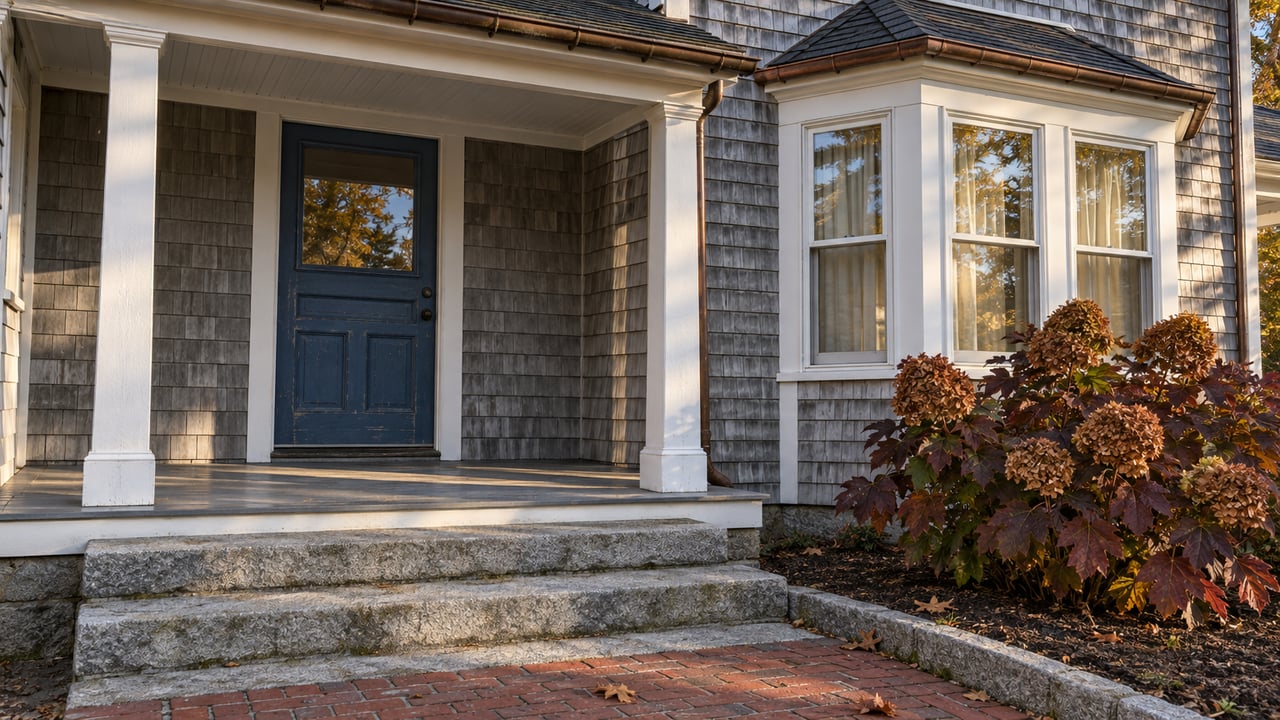
- worn entry doors or dated first-impression features
FEMA’s coastal guidance materials, available through the Town of Westerly FEMA resources page, highlight the importance of flood-damage-resistant materials and corrosion protection in coastal areas. Moisture control also matters because damp conditions can lead to mold concerns, which is one more reason to inspect problem areas early.
Prioritize updates with resale logic
According to the same NAR Remodeling Impact Report, strong perceived cost recovery often comes from practical improvements like a new front door, replacement windows, and kitchen upgrades. For many sellers, that means your best return may come from updates that improve confidence and curb appeal, not from a luxury overhaul.
A smart pre-listing update plan often includes:
- fresh neutral paint
- improved entry appearance
- polished or updated hardware
- clean, well-lit living spaces
- selective kitchen touch-ups instead of a full renovation
- window improvements if existing units look worn or inefficient
Respect Watch Hill’s historic character
In Watch Hill, appearance is not only about style. It can also involve historic context. Westerly’s comprehensive plan states that the SC-WH district along Bay Street lies entirely within a federally designated historic district, and new construction there must go through added review to fit the area’s style, bulk, and character. The Rhode Island preservation inventory also reinforces the significance of the Watch Hill Historic District.
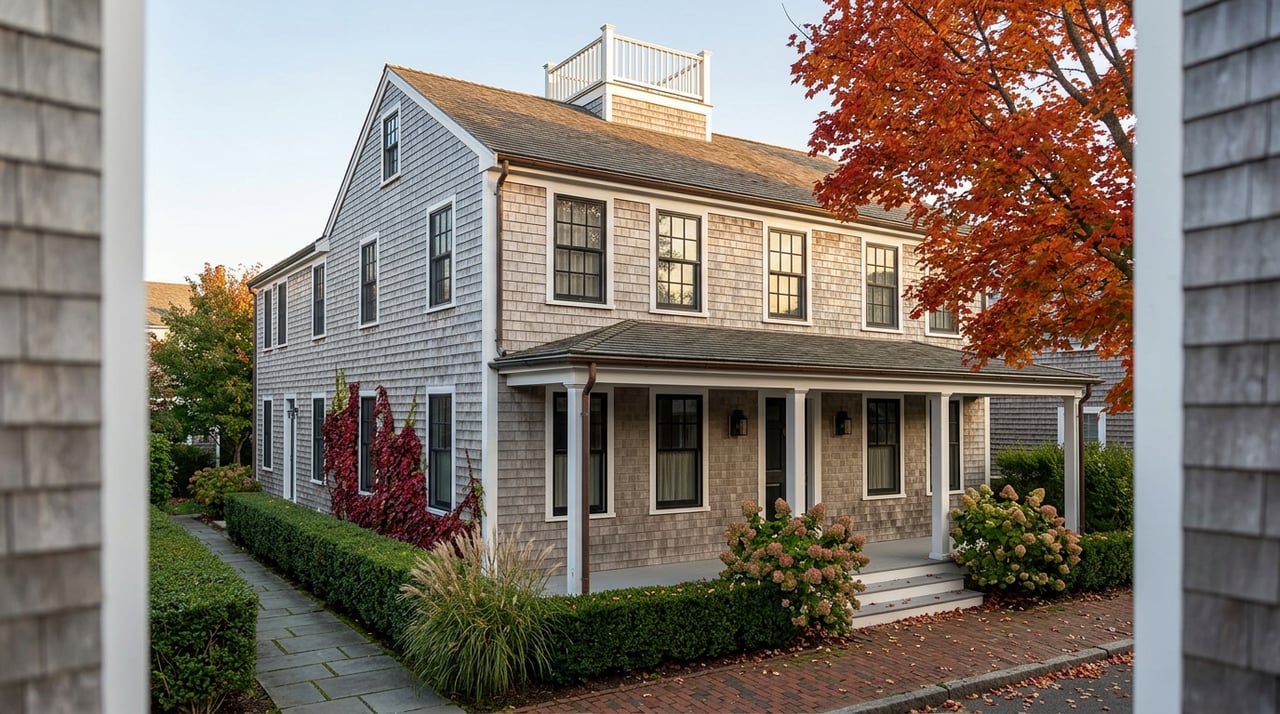
If your home is in a historic setting or has older architectural details, it is usually wise to preserve original proportions and materials where possible. Replacing character-defining features too aggressively can create avoidable review issues or make the home feel less consistent with its setting.
This is one reason a measured approach often works best. Clean up, repair, and restore before you replace.
Focus on coastal maintenance buyers notice
Buyers shopping in Watch Hill may be especially alert to maintenance because coastal homes face more wear. Westerly’s hazard and flood resources note ongoing pressure from flooding, storms, tides, and shoreline change, including flood-zone management information and hazard-mitigation guidance.
That means your prep should go beyond surface-level touch-ups. If you can answer common questions clearly and show that the home has been thoughtfully maintained, you may help buyers feel more comfortable moving forward.
Check flood and coastal factors early
Before listing, it helps to confirm:
- whether the property is in a FEMA flood zone
- whether flood insurance may be relevant
- whether there are coastal erosion or storm-exposure considerations
- whether the property falls within any Coastal Barrier Resources System area
Westerly notes that many standard homeowners policies do not cover flood events and directs property owners to the FEMA Flood Map Service Center and FloodSmart resources through its flood-zone page. The town also states that some CBRS areas have restrictions related to federal flood insurance and FEMA assistance, as outlined on its Coastal Barrier Resources System page.
Even if a buyer already knows the area, having this information organized can reduce uncertainty during showings and due diligence.
Declutter, clean, and simplify
Once repairs are complete, shift to presentation. The 2025 NAR Profile of Home Staging shows that sellers’ agents commonly recommend decluttering and fixing faults, along with professional cleaning, carpet cleaning, painting, and landscaping.
In Watch Hill, simple and polished usually wins. You want buyers to notice the home, the light, and the setting, not the clutter.
Keep your updates clean and neutral
For many homes, the most effective cosmetic prep includes:
- removing excess furniture
- clearing counters and personal items
- deep cleaning floors, windows, and baths
- brightening rooms with neutral paint
- improving lighting where rooms feel dim
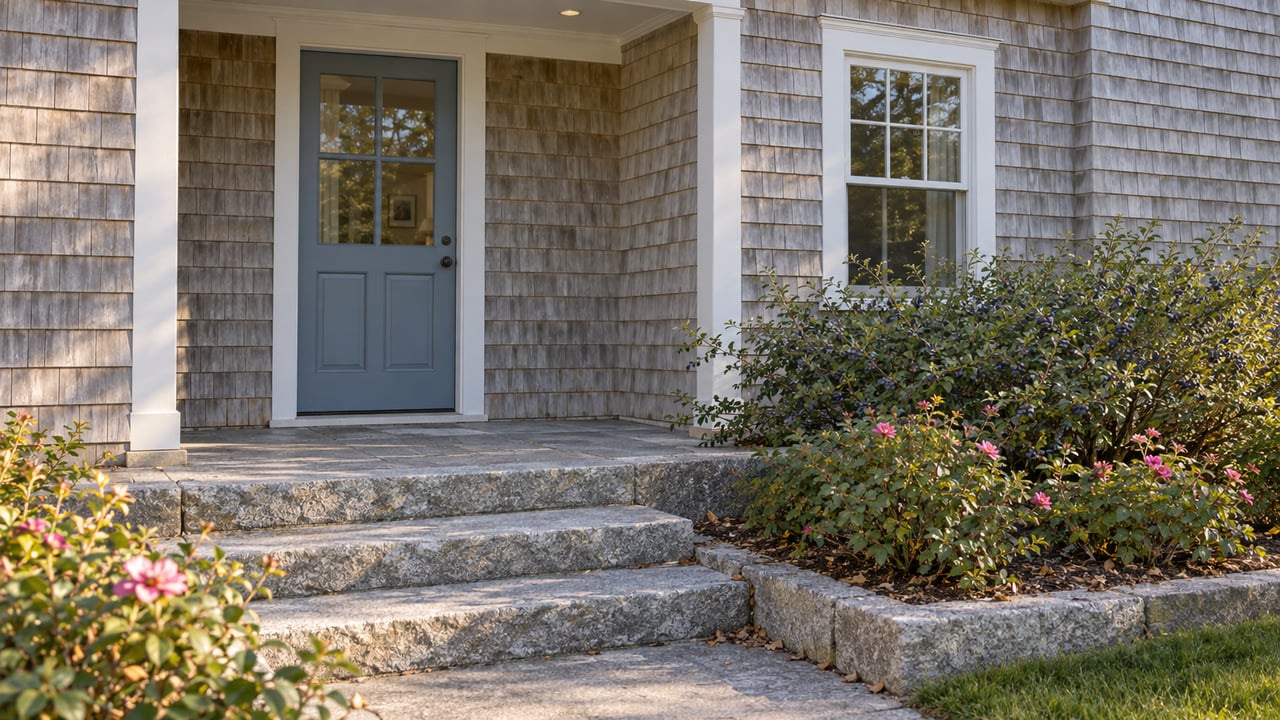
- refreshing landscaping and entry paths
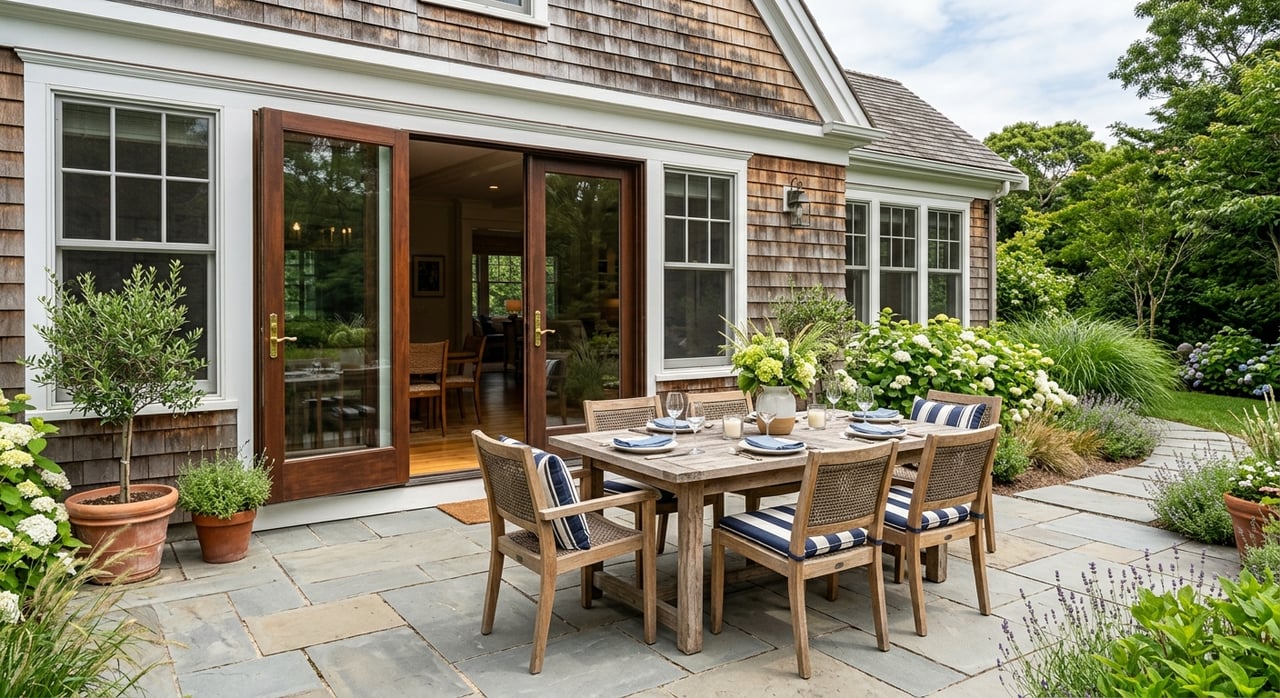
- cleaning and staging decks, patios, and outdoor seating areas
This approach helps your listing feel spacious, calm, and easy to picture online and in person.
Stage for the rooms that matter most
Staging is not just an extra in a high-visibility market. It can be part of the strategy. NAR reports that 83% of buyers’ agents said staging made it easier for buyers to visualize a home as their future residence. The rooms buyers’ agents identified as most important were the living room, primary bedroom, and kitchen.
That matters because buyers often form an opinion quickly. A staged room can help show scale, function, and lifestyle without feeling overdone.
Stage in this order
If you are deciding where to spend time and money, start here:
- Living room
- Primary bedroom
- Kitchen
- Main entry
- Outdoor gathering areas
The same NAR report found that some agents saw a 1% to 5% increase in dollar value offered when a home was staged, and some also reported a slight decrease in time on market. While results vary, the takeaway is simple: good presentation can support stronger buyer response.
Treat photography as part of the sale plan
In a market like Watch Hill, professional photography is not optional. NAR’s staging report found that buyers’ agents rated photos as the most important listing asset, ahead of staging, videos, and virtual tours.
That is especially important in a scenic coastal area. Watch Hill’s appeal is visual, so your online presentation should reflect that from the start.
Prepare before the photo shoot
Before professional photos are taken, make sure:
- repairs are complete
- windows are clean
- landscaping is trimmed and tidy
- outdoor furniture is cleaned and arranged
- decks and walkways are clear
- water-facing or exterior spaces are photo-ready
- lighting is balanced and bright indoors
The sequence matters. Repair first, then clean and declutter, then stage, then photograph, and only after that should the listing go live.
Plan ahead for seasonal or second-home logistics
Some Watch Hill properties are used seasonally, and that can affect your sale prep timeline. Based on the area’s seasonal and coastal context described in the Westerly Comprehensive Plan, extra lead time can be helpful for lining up maintenance, access, vendor scheduling, and showing readiness.
If your home is not occupied full-time, try to plan earlier than you think you need to. Last-minute prep is harder when you are coordinating from a distance.
Consider funding options for smart pre-list work
If your home would benefit from updates before hitting the market, there may be ways to fund that work. For historic properties listed on the State Register of Historic Places, Rhode Island offers a Historical Preservation Loan Fund for eligible restoration work that meets rehabilitation standards.
Other options may include financing tools like Fannie Mae’s HomeStyle Renovation mortgage, which can cover eligible repairs and resiliency projects, or a HELOC as defined by the CFPB. If you are considering pre-list improvements, it often makes sense to first confirm any flood-zone or historic-review constraints, then choose the right funding path, and then complete the highest-impact work.
A practical Watch Hill prep checklist
If you want a simple starting point, use this order:
- Confirm flood-zone, coastal, and historic-district considerations.
- Inspect for visible defects and maintenance issues.
- Address roof, moisture, window, door, and exterior wear concerns.
- Make high-impact cosmetic updates like paint, lighting, and hardware.
- Declutter and deep clean the full property.
- Refresh landscaping and outdoor living areas.
- Stage the living room, primary bedroom, and kitchen first.
- Schedule professional photography after prep is complete.
- Launch only when the home and marketing are fully ready.
A standout sale usually starts before the listing goes live. With the right plan, you can present your Watch Hill home in a way that feels polished, well cared for, and aligned with what buyers expect in this unique coastal market. If you want local guidance on timing, prep priorities, and listing presentation, schedule a free consultation with Town & Shore Realty.
FAQs
What should I fix before selling a home in Watch Hill?
- Start with visible defects and buyer concern points, especially roof wear, moisture issues, window seals, entry condition, peeling paint, deck hardware, and other signs of deferred maintenance.
Does staging really help a Watch Hill home sell?
- Yes. NAR reports that 83% of buyers’ agents said staging helps buyers visualize a home, with the living room, primary bedroom, and kitchen having the most impact.
Should I renovate my Watch Hill home before listing?
- Usually, targeted improvements work better than a full remodel. Focus on repairs, paint, curb appeal, entry updates, and practical improvements that reduce buyer worry.
Do flood zones matter when selling in Watch Hill?
- Yes. Westerly notes regulated FEMA flood zones in town, and many homeowners policies do not cover flood events, so it helps to confirm and organize this information before listing.
Are historic-district rules important for Watch Hill sellers?
- They can be. Parts of Watch Hill have historic-district context and added review standards, so exterior changes and material choices may deserve extra attention before you begin major updates.
When should I schedule listing photos for a Watch Hill property?
- Schedule professional photos only after repairs, cleaning, decluttering, and staging are complete so your first online impression is as strong as possible.