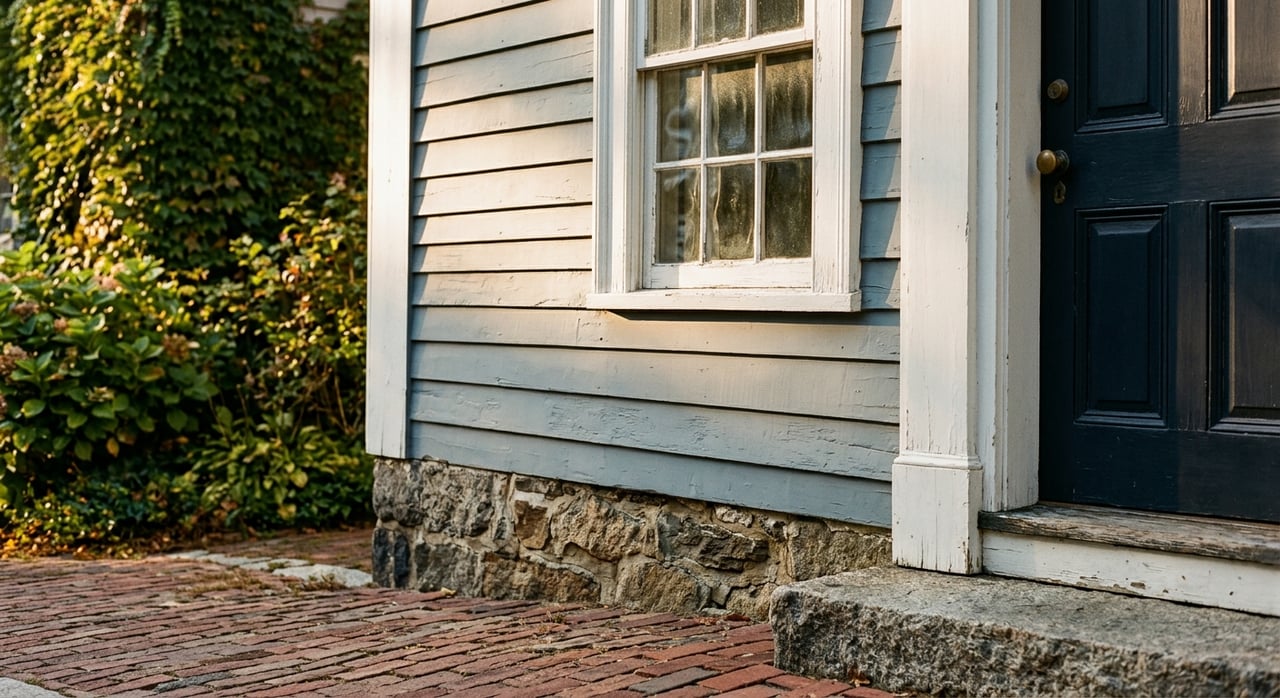
If you have ever fallen for a house because of its wide front porch, original woodwork, or storybook New England character, Stonington will feel hard to resist. Buying a historic home here can be exciting, but it also comes with extra questions about condition, flood exposure, renovation rules, and long-term upkeep. The good news is that with the right due diligence, you can enjoy the charm of an older home while making a confident decision. Let’s dive in.
Why historic homes stand out in Stonington
Stonington’s older homes are tied closely to the town’s long history and coastal identity. The town was settled in 1649, and the Borough of Stonington, incorporated in 1801, is the oldest borough in Connecticut. Stonington also notes that it is the only Connecticut town that faces the Atlantic Ocean, which adds to the area’s distinct shoreline character.
Historic preservation is not just a backdrop here. It remains part of local planning, and the town has an Architectural Design Review Board that encourages projects to fit Stonington’s architectural heritage. That means when you buy an older home in Stonington, you are often buying into a place where historic character is actively valued.
What styles you may see
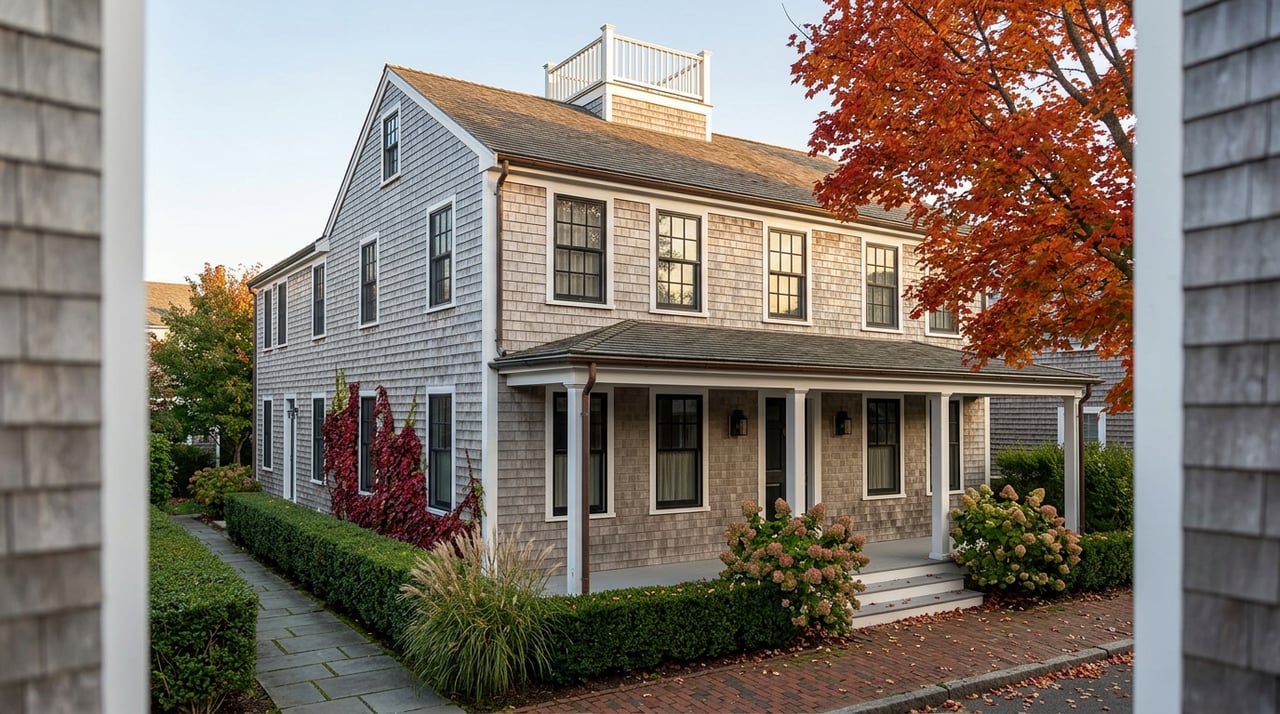
Stonington offers a wide range of older home styles, especially across its historic villages and districts. Depending on where you are looking, you may come across Greek Revival, Federal, Carpenter Gothic, Queen Anne, Italianate, Colonial Revival, American Four Square, Bungalow, and Second Empire homes.
In the Borough, sea-captain homes and other 19th-century houses help define the streetscape. One well-known example is the Captain Nathaniel B. Palmer House, a 16-room Victorian mansion built in 1852 and preserved as a National Historic Landmark. Even if you are not buying a landmark property, homes in this area often share details that reflect the same historic era.
The charm that draws buyers in
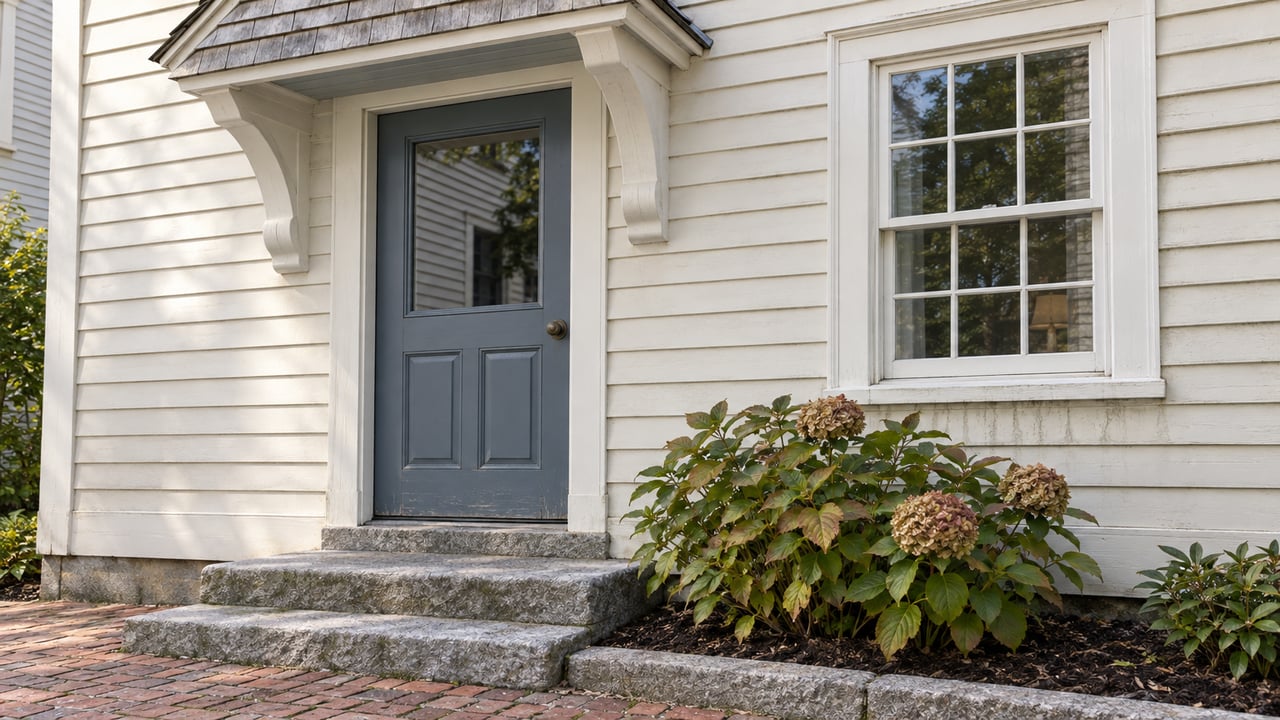
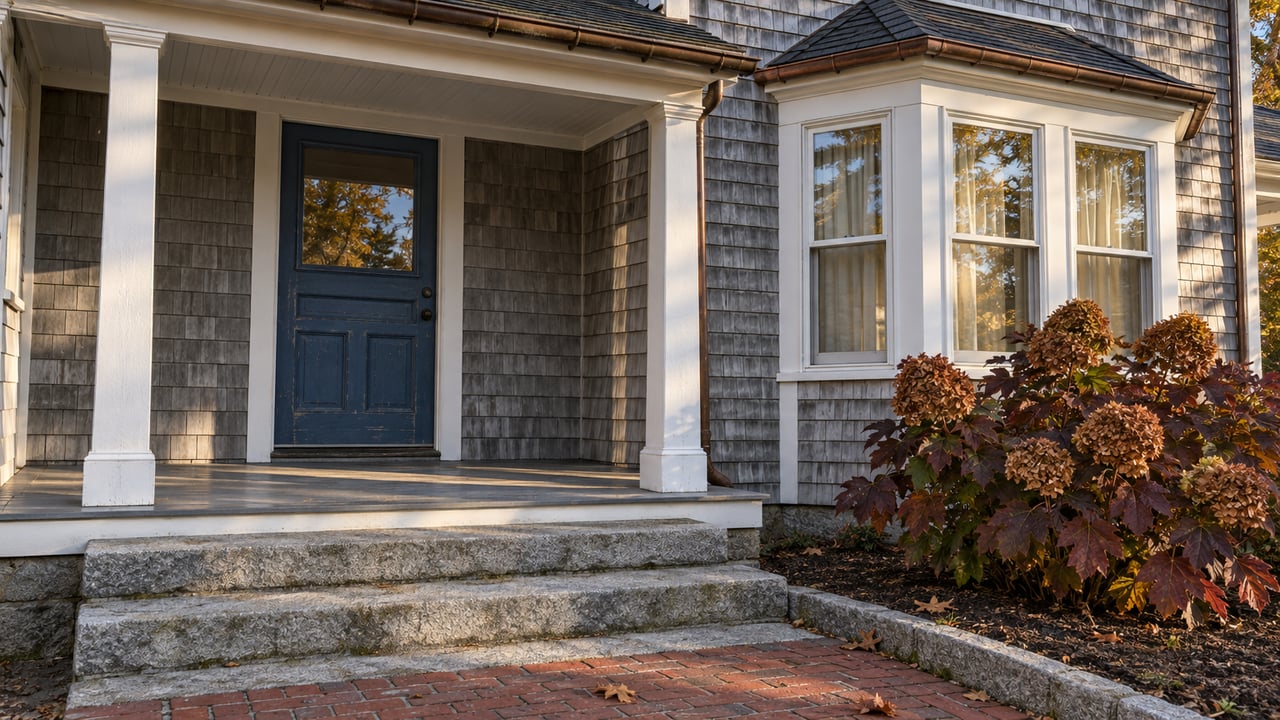
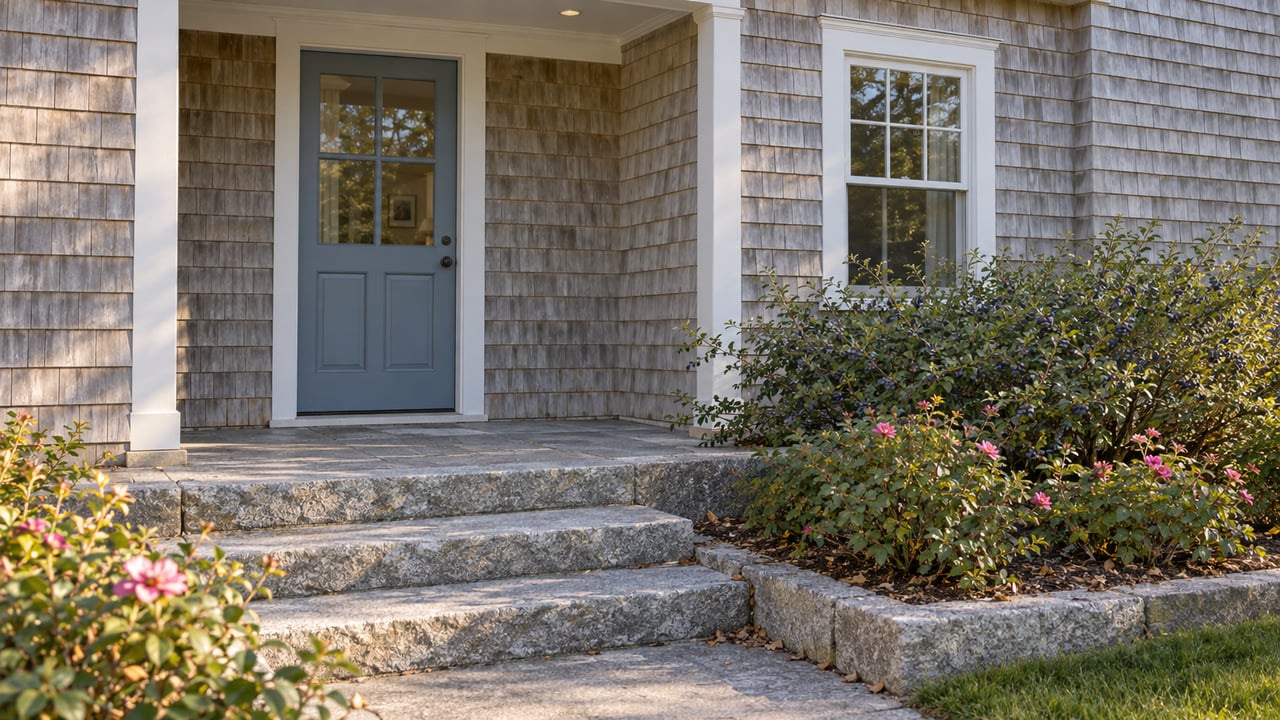
Historic homes in Stonington often attract buyers for the very features that make them feel special. You may notice original trim, wood siding, dormers, front porches, and proportions that give older homes their classic New England look. Narrow village streets and a strong sense of place also add to the appeal.
At the same time, those same features often need more attention than newer construction. Original materials can be beautiful, but they may also require careful repair and maintenance. If you love the look of an older home, it helps to be realistic about the work that may come with it.
Start with a broader inspection plan
When you buy a historic home in Stonington, a standard inspection is only the starting point. Older homes tend to have more layers of age, materials, and past repairs, so you will want to look closely at both visible condition and likely future needs.
A strong inspection strategy may include extra attention to:
- Roofing and drainage
- Foundation condition
- Wood siding and exterior trim
- Windows and doors
- Porch structures and railings
- Signs of moisture intrusion
- Older systems that may need updating
This does not mean every older home is a problem. It means you should expect a more detailed review so you understand what you are buying and what ownership may involve.
Lead paint is a key issue
Lead-based paint is one of the most important due diligence items in older homes. According to the EPA, 87% of homes built before 1940 contain some lead-based paint. In a town with many older properties, that is a practical concern for buyers planning repairs or renovations.
You will want to pay special attention to deteriorating paint on windows, doors, porches, and other friction surfaces. In pre-1978 homes, renovation, repair, or painting work can create hazardous lead dust if lead-safe practices are not used. If you are considering updates soon after closing, this is an issue worth discussing early.
Flood risk matters in a shoreline town
Because Stonington is a coastal community, flood risk should be part of your decision-making process. This is especially true for lower-lying properties in or near the Borough of Stonington. The Borough’s hazard mitigation annex identifies low-lying shoreline areas as flood-prone and notes that several main streets fall within the 1% annual chance floodplain.
That does not mean you should avoid every historic home near the water. It does mean you should ask careful questions about site conditions, flood exposure, resilience measures, and how future improvements may need to balance protection with historic character.
Renovating a historic home in Connecticut
Many buyers love the idea of updating an older home after closing. In Connecticut, that process can be more flexible than some people expect. The Connecticut State Historic Preservation Office says the state building code recognizes the special nature of historic structures and allows certain alternatives, as long as safe design, use, and construction are not affected.
This can be helpful if you are planning work on a home that is 50 years old or older. SHPO also reviews historic-structure status and lead-abatement projects for properties in that age range. If your plan includes renovations soon after purchase, it is smart to understand this review landscape before you finalize your budget and timeline.
Know the difference between historic designations
Not every historic label works the same way. National Register listing by itself does not automatically create federal restrictions for a private owner. However, local ordinances, and any project involving federal funding or permitting, can change what review may apply.
Connecticut SHPO notes that National Register and State Register historic districts should not be confused with a local historic district. For you as a buyer, the takeaway is simple: confirm exactly what type of designation applies to the property and what that means for future work.
Stonington rules to check before you buy
Local review matters in Stonington, especially if you are thinking about additions, exterior changes, or demolition. The town’s demolition-delay ordinance applies to structures that are 70 years old or older and at least 500 square feet, as well as contributing structures in National or State Historic Districts and individually listed State or National Register properties. If a written objection is filed, the town imposes a 90-day delay.
The Borough of Stonington has its own demolition notice ordinance instead of the townwide rule. Inside the Borough, demolition is defined as the permanent removal of more than 10% of a building’s exterior surface area, while internal renovations are not considered demolition. That ordinance also uses a 90-day review period and requires notice to both borough and town building offices.
Exterior changes may trigger review
For some properties, visible exterior work may be reviewed to help keep projects in harmony with Stonington’s architectural heritage. The town’s Architectural Design Review Board and its design-review guidelines address designated village areas such as Downtown Mystic, Downtown Pawcatuck, Wequetequock, and Old Mystic.
If you are thinking about adding a garage, expanding the footprint, replacing exterior features, or making visible changes from the street, confirm early whether review applies. This step can save you time, money, and frustration later.
Tax credit potential for eligible owners
If the home qualifies and will be your primary residence, Connecticut’s Historic Homes Rehabilitation Tax Credit may be worth exploring. The program requires the homeowner to be a Connecticut taxpayer, the home to be owner-occupied as a primary residence, and the rehabilitation work to meet historic standards.
For eligible projects, the credit can return 30% of qualified expenses up to $30,000. While not every buyer will qualify, this can be a meaningful planning tool if you expect to take on approved rehabilitation work after you purchase the property.
Helpful research tools before closing
Historic-home buyers usually feel more confident when they do a little extra homework. In Stonington, there are several useful starting points if you want to learn more about a property’s designation, history, or likely review process.
A few practical resources to ask about include:
- Connecticut’s ConnCRIS database for designation and survey status
- The Stonington Historical Society’s Woolworth Library for house history research
- The society’s Borough walking tour for local context
- The town Building Official for permit questions
- The Planning Department for review and process questions
These steps can help you understand not just the house itself, but how it fits into the larger fabric of the town.
What buying a historic home really means
Buying a historic home in Stonington is often as much about stewardship as ownership. You are choosing a property with character, history, and details that may be hard to find in newer homes. In return, you need a clear plan for inspections, renovation goals, and local review requirements.
If you go in with open eyes, an older home can be a deeply rewarding purchase. The key is knowing what to check, who to ask, and how to weigh charm against cost, maintenance, and future plans.
If you are considering a historic home in Stonington, working with a local team that understands shoreline properties, older housing stock, and the buying process can make everything feel more manageable. For practical guidance and responsive support, schedule a free consultation with Town & Shore Realty.
FAQs
What makes a home historic in Stonington?
- A home may be considered historic because of its age, architectural style, location in a historic district, or listing on a State or National Register. The exact designation matters because different rules may apply.
What should buyers inspect in an older Stonington home?
- Buyers should look beyond a basic inspection and pay close attention to paint condition, windows, doors, porches, siding, moisture issues, and any signs that older systems or structural elements may need repair.
Why is lead paint a concern in historic homes?
- Lead paint is common in older homes, especially those built before 1940. It becomes a bigger issue when paint is deteriorating or when renovation work could create hazardous dust.
Do historic homes in Stonington have flood concerns?
- Some do, especially lower-lying properties in or near the Borough of Stonington. Buyers should review flood exposure carefully as part of their due diligence.
Can you renovate a historic home in Stonington?
- Yes, but the scope of work and the property’s designation may affect what review is required. Exterior changes, demolition-related work, or projects in certain village areas may trigger local review.
Is there a tax credit for restoring a historic home in Connecticut?
- Connecticut offers a Historic Homes Rehabilitation Tax Credit for eligible owner-occupied primary residences, with 30% of qualified expenses covered up to $30,000 if program requirements are met.