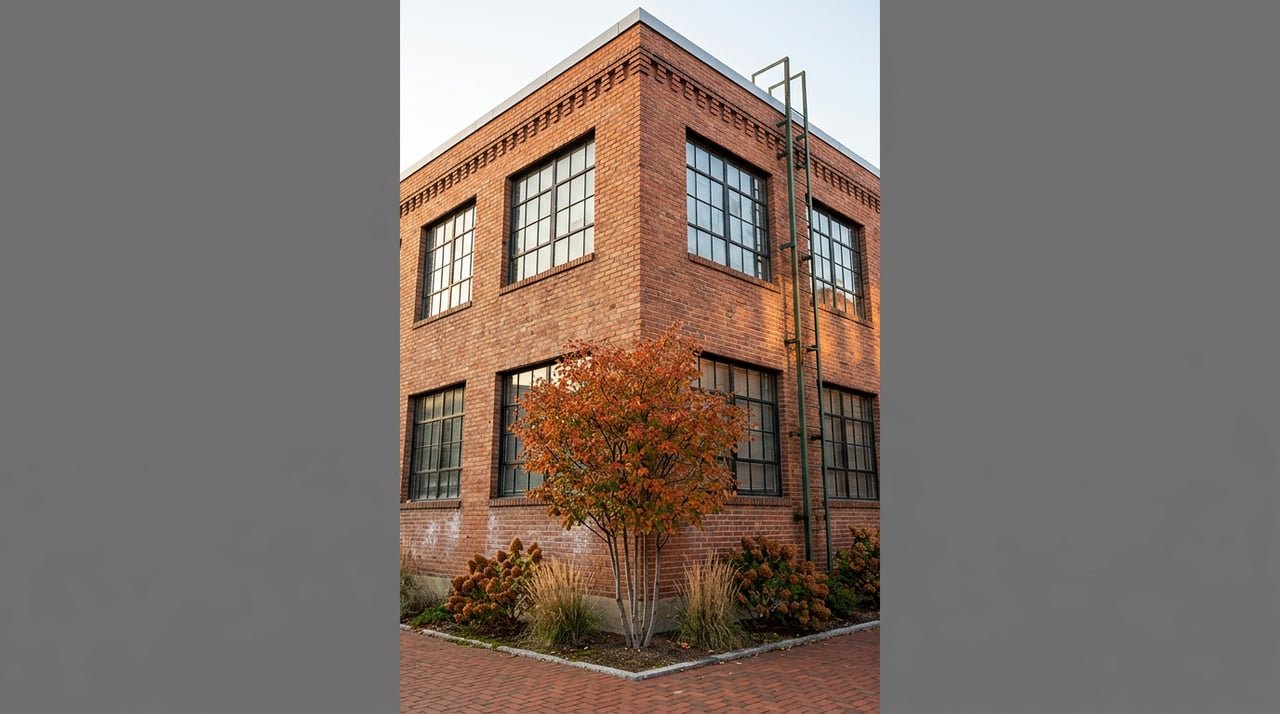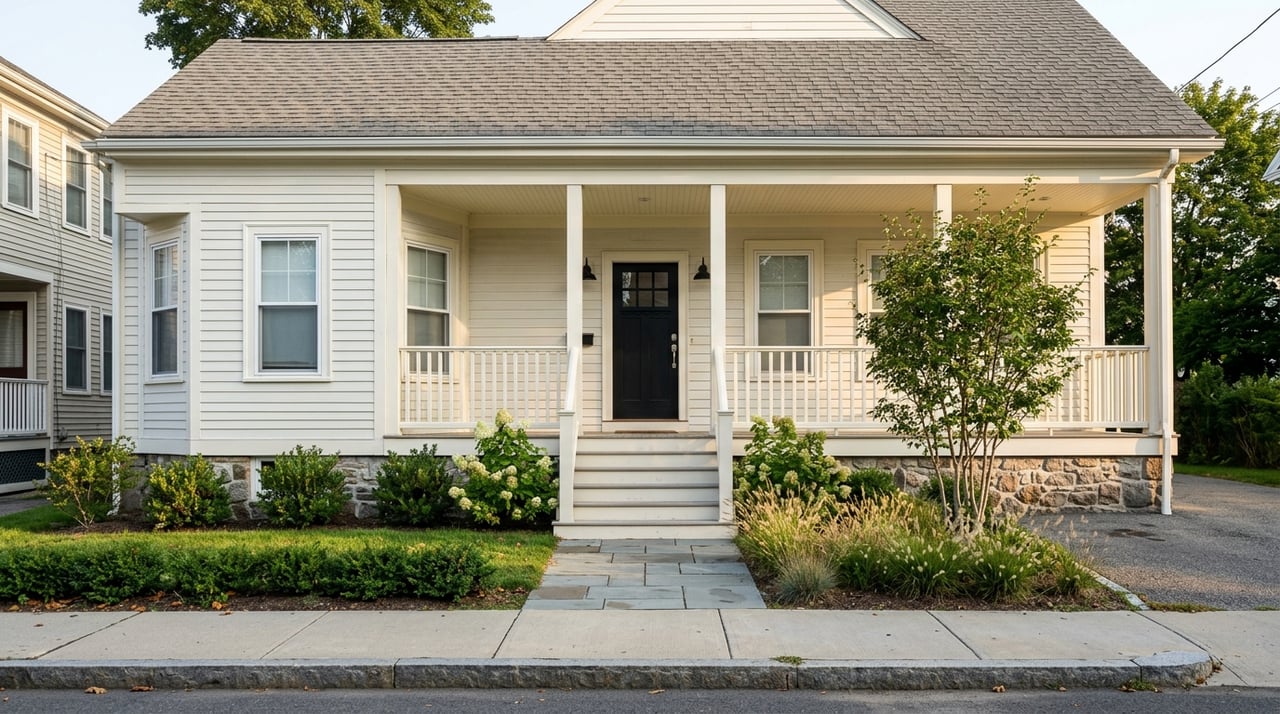
Trying to choose between Groton and Mystic? You are not alone. These two shoreline areas are close together, but they offer very different day-to-day experiences, home price ranges, and housing options. If you are deciding where to put down roots, this guide will help you compare what matters most so you can narrow your search with more confidence. Let’s dive in.
Groton vs Mystic at a Glance
Groton and Mystic may sit near each other, but they are not the same kind of market. Groton is a larger town with about 38,130 residents spread across 31.1 square miles, while Mystic has about 4,483 residents across 3.6 square miles.
It is also important to know that Mystic is not its own municipality. Official Connecticut sources describe the Village of Mystic as spanning both Groton and Stonington, which helps explain why Mystic feels more like a compact village center while Groton functions as a broader town market with several subareas.
For you as a buyer, that difference shapes almost everything. Groton tends to offer a wider range of housing and price points, while Mystic is more about village character, riverfront appeal, and a smaller housing footprint.
Home Prices and Housing Options
Groton offers more flexibility
Groton has 18,155 housing units and a median owner-occupied home value of $340,100. Current market data also places Groton’s median sale price around $350,000.
That pricing lines up with a broader mix of property types. Groton zoning includes multi-unit districts and a town-center overlay that allows single-unit, two-unit, townhouse, and multi-unit development. Current market examples include condos and townhouses, with recent sales around $210,000, $268,500, and $310,000.
If your first filter is budget, monthly payment, or property-type flexibility, Groton usually gives you more room to work with. It can be a practical place to start if you want options beyond a traditional single-family home.
Mystic sits in a higher price tier
Mystic has 2,515 housing units, and about 73% of its housing stock is made up of single-unit structures. Its median owner-occupied home value is $538,800, and current market data shows a median sale price around $610,000.
Active listings in Mystic also show how quickly pricing can climb, with examples around $925,000, $1.495 million, and $1.895 million. In simple terms, Mystic is usually the more premium market.
If you are focused on a classic village setting and are comfortable shopping at a higher price point, Mystic may feel worth the stretch. If you want a lower-to-mid price band or more varied inventory, Groton may be the easier fit.
Lifestyle and Waterfront Feel
Groton feels broader and more residential
Groton offers a more mixed shoreline lifestyle. The City of Groton Parks & Recreation Department maintains 13 parks, and Eastern Point Beach stands out as a major local waterfront amenity with seasonal features and views where the Thames River meets Long Island Sound.
The city’s Waterfront Business Residence District also aims to support a mix of uses with waterfront access and a walkable village atmosphere along Thames Street and Groton Bank. That creates a shoreline feel, but one that is spread across a larger and more varied area.
If you picture your weekends including beaches, parks, and a wider residential base, Groton may match your routine better. It tends to feel less concentrated and more varied from one area to the next.
Mystic feels more like a destination village
Mystic’s identity is more closely tied to its riverfront center. The Mystic River Bascule Bridge connects both sides of downtown, and Mystic Seaport Museum anchors the waterfront with museum grounds on 19 acres along the Mystic River.
Official Stonington materials also point to Historic Downtown Mystic, Mystic Seaport, Old Mystic Village, and Mystic Aquarium as defining parts of the area. Harbor materials note public dinghy docks and river access in the village center, which adds to the walkable waterfront feel.
For many buyers, Mystic is less about broad residential variety and more about place character. If you want a dense, walkable village experience with strong waterfront identity, Mystic often stands out.
Commute and Regional Access
Groton can be the easier everyday base
Groton’s mean commute time is 19.3 minutes, compared with 21.2 minutes in Mystic and 23.5 minutes in Stonington. That is not a dramatic gap, but it does suggest Groton may work a little better for buyers who want a more practical home base for daily travel.
For many households, small time savings matter. If your week includes regular commuting, errands across the region, or frequent trips in and out of town, Groton’s broader layout and slightly shorter average commute may be a plus.
Mystic offers walkability with tradeoffs
Mystic does have an Amtrak station, which can sound appealing at first glance. However, Amtrak notes that there is no parking at that station.
Nearby New London Union Station offers stronger regional connections between Amtrak, commuter rail, intercity and local buses, and ferries. Mystic is also directly off I-95 Exit 90 and Route 27, so while it offers walkability in the village core, the area still depends heavily on the car for many day-to-day trips.
If you value a walkable setting first and regional access second, Mystic may still be a strong fit. If you want the simplest all-around transportation setup, Groton often makes more sense.
Which Buyer Fits Groton Best?
Groton may be the better match if you want:
- A wider range of housing types
- More lower-to-mid price options
- Condos, townhouses, or other alternatives to single-family homes
- A broader shoreline town feel
- Slightly more commuter-friendly day-to-day access
Groton can also make sense if you want flexibility as your needs change. Whether you are looking for a primary home, a lower-maintenance option, or a property with a different layout or budget range, Groton tends to give you more starting points.
Which Buyer Fits Mystic Best?
Mystic may be the better match if you want:
- A village-style setting
- Strong downtown and waterfront character
- A market with more single-family orientation
- Walkability near shops, dining, and the riverfront
- A home base that prioritizes atmosphere and place identity
Mystic often appeals to buyers who want their surroundings to be part of the lifestyle. If your first question is less about square footage and more about how a place feels, Mystic may move to the top of your list.
A Simple Way to Decide
If you are torn, start with your first non-negotiable. If your top priority is budget or housing flexibility, start your search in Groton.
If your top priority is village character and waterfront lifestyle, start in Mystic. That simple filter can save you time and help you focus on the homes that truly match how you want to live.
You do not have to figure it out alone, either. A side-by-side comparison of price, property type, and day-to-day routine can make the decision much clearer once you see actual options in each area.
Choosing between Groton and Mystic is really about choosing the kind of home base that fits your life best. If you want local guidance as you compare shoreline options in Connecticut, Town & Shore Realty is here to help you schedule a free consultation.
FAQs
What is the main difference between living in Groton vs Mystic?
- Groton is a larger town with more housing variety and a lower typical price point, while Mystic is a smaller village-style area known for its walkable riverfront setting and higher home prices.
Is Mystic its own town in Connecticut?
- No. Official Connecticut sources state that the Village of Mystic spans both Groton and Stonington rather than existing as its own separate municipality.
Are homes in Groton usually less expensive than homes in Mystic?
- Yes. Current market data in the research report shows Groton with a median sale price around $350,000 and Mystic around $610,000.
Does Groton have more housing types than Mystic?
- Yes. Groton has a broader housing mix that includes condos, townhouses, and multi-unit options, while Mystic’s housing stock is more heavily made up of single-unit structures.
Is Mystic more walkable than Groton?
- In general, Mystic offers a denser and more walkable village-center experience, especially around its downtown riverfront, while Groton has a more spread-out shoreline layout.
Which area is better for commuting from southeastern Connecticut?
- Groton may be the more practical choice for many commuters because the research report shows a slightly shorter mean commute time and strong regional access nearby.