Dreaming about a place near the water is easy. Choosing a home that actually works for weekends, guests, beach days, and long stretches away is the hard part. If you are buying a vacation-friendly home in Charlestown, the smartest move is to look beyond the view and focus on how the property fits the way you plan to use it. Let’s dive in.
Why Charlestown works for vacation buyers
Charlestown offers more than one kind of coastal experience. The town includes beach areas, village centers, open space, parks, and boating access, which gives you several ways to enjoy time here depending on the season and your routine.
That matters when you are buying a second home or seasonal property. In Charlestown, vacation value is often tied to beach logistics, outdoor recreation, guest usability, and day-to-day convenience just as much as the house itself.
Start with how you will use the home
Before you compare finishes or count bedrooms, think about your real use pattern. Will you spend most weekends at the beach, host extended family, bring kayaks or bikes, or lock the property and leave for weeks at a time?
A vacation home should support simple, low-stress living. In Charlestown, that often means looking for practical features that make summer use easier and ownership more manageable.
Features that make seasonal living easier
Some home features matter more in a vacation property than they might in a full-time residence. A beautiful house can still feel inconvenient if it does not handle sand, gear, guests, and quick turnovers well.
Look closely at features like these:
- a mudroom or drop zone for towels, coolers, and beach bags
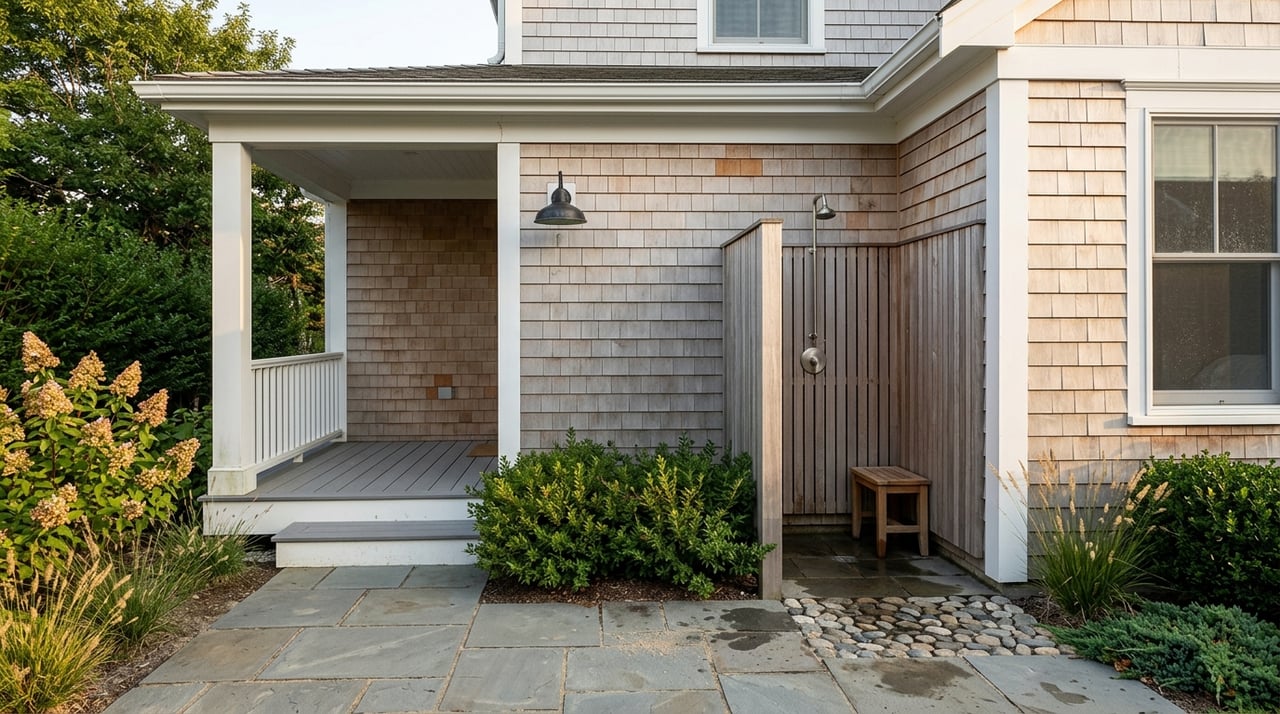
- an outdoor shower or easy wash-off area
- durable, low-maintenance finishes
- storage for bikes, chairs, kayaks, and seasonal gear
- a lock-up-and-leave setup that does not need constant attention
- enough bedrooms and bathrooms for the way you host guests
Parking also deserves extra attention. Because Charlestown beach passes are tied to vehicles and beach access rules differ by location, on-site parking can be part of the home’s everyday usefulness.
Beach access can shape your search
In Charlestown, being near the water is not the same as having the same level of beach convenience. The town operates Charlestown Town Beach and Blue Shutters Beach during the summer season, defined by the town as Memorial Day through Labor Day.
The local rules are important. Non-resident passes are accepted at Blue Shutters Beach only, while Charlestown Town Beach does not accept non-resident passes.
Why location matters block by block
This is one of the biggest reasons a home search in Charlestown should stay very specific. A property near Blue Shutters may offer more flexibility for a nonresident buyer than a similar home near a beach with more limited access rules.
Walkability matters too. The town notes that walk-ons without a motor vehicle do not need a beach pass, so a home that lets you leave the car behind may offer a real lifestyle advantage during the busy season.
Cottage pass rules matter for some buyers
If you are considering a property that may be used as a rental cottage, Charlestown also has cottage beach passes. The town structures those around one vehicle per day and one pass per rental cottage unit.
That means access is not something to assume based on a listing description. It is something you should verify for the exact property and intended use.
Look beyond the beach
A vacation-friendly home in Charlestown is not only about shoreline access. The town also offers parks, open space, and recreation options that can add value to your ownership experience throughout the year.
Ninigret Park is a good example. Located on Route 1A just off U.S. Route 1, it includes public tennis and pickleball courts, a bike course and bike path, disc golf, dog park space, Little Nini Pond, and the Frosty Drew Observatory and Nature Center.
The town also references summer events connected to Ninigret, including the Charlestown Seafood Festival and Rhythm and Roots Festival. If you want a home that feels active and fun even when you are not at the beach, proximity to this area can be a meaningful plus.
Open space adds flexibility
Charlestown maintains six open-space properties for scenic enjoyment, along with beaches and parkland managed by Parks and Recreation. For buyers, that broadens the meaning of a vacation lifestyle.
On crowded beach days or outside peak summer season, you still have places to spend time outdoors. That can make a property feel useful and enjoyable across more of the year.
Boating buyers need a different checklist
If your ideal getaway revolves around boating rather than beachgoing, Charlestown has another layer to consider. Ninigret and Quonochontaug Ponds offer sheltered waters used for activities such as tubing, waterskiing, and casual cruising, with breachways connecting to Block Island Sound.
At the same time, the town cautions that breachway currents can be swift and conditions can change quickly. For many buyers, that means boating convenience depends on access details and local rules, not just a map view.
Check moorings and launch logistics early
Charlestown’s harbor information says public moorings are issued by waiting list only. The town also notes that mooring permits are managed through an online system.
Another rule that matters is that personal watercraft are prohibited on Ninigret, Quonochontaug, and Watchaug Ponds. If boating is central to your plans, make sure the property supports your actual use, whether that means mooring access, launch practicality, storage, or proximity to the right water access point.
Ownership costs need a closer look
Coastal homes can come with added due diligence, and Charlestown is no exception. For vacation buyers, the most important questions often involve flood exposure, septic systems, and any planned rental use.
These issues do not automatically make a property a poor fit. They simply need to be understood early, before you build your budget or make assumptions about maintenance and income.
Flood zones and insurance
Charlestown’s 2025 hazard mitigation materials identify coastal flooding, coastal erosion, heavy rains, hurricanes, storm surge, high winds, and thunderstorms as key local hazards. The same town materials explain that FEMA flood zones beginning with A are considered high risk, while B, C, and X zones are lower risk.
The town also notes that high-risk properties with federally backed mortgages or prior federal disaster assistance generally must maintain flood insurance. Charlestown participates in FEMA’s Community Rating System, which reflects local floodplain-management work and points residents to potential flood-insurance discount information, but that does not remove the need to understand the property’s flood exposure.
Septic systems can affect long-term upkeep
Septic should be part of your first-round review, especially near the salt ponds. Charlestown says advanced denitrification onsite wastewater systems are required in certain circumstances within the Salt Ponds Critical Resource Area, which includes the drainage basins for Green Hill, Ninigret, and Quonochontaug Ponds.
The town also states that these systems require annual inspection and maintenance by approved providers. For a vacation-home buyer, that can affect both carrying costs and how hands-on ownership will be over time.
Rental plans should be reviewed carefully
Some buyers hope to offset costs with short-term rental income. If that is part of your plan, Rhode Island tax rules should be part of your search from the start.
State guidance says a short-term rental is 30 consecutive days or fewer. The Rhode Island Division of Taxation also says the 5% whole-home short-term rental tax took effect January 1, 2026, and hotel-tax filers must first obtain a sales tax permit and file monthly.
That means rental projections should be based on the actual property, actual use plan, and current registration and tax treatment. A generic beach-house income estimate may not tell you enough.
A smart way to compare Charlestown listings
When buyers search in a shoreline town, it is easy to focus on square footage, curb appeal, or how close the property looks to the water. In Charlestown, a better approach is to compare homes based on how easy they are to use.
A smaller home with better beach access, easier parking, simpler maintenance, and stronger recreation options may serve you better than a larger property that creates more friction every time you visit.
Questions to ask before making an offer
Use this checklist as you narrow your options:
- confirm beach-pass eligibility for the exact address
- ask whether the property setup aligns with resident, nonresident, or cottage-style beach access rules
- verify flood zone status and ask about insurance implications
- ask whether the parcel is in the Salt Ponds Critical Resource Area
- confirm the septic system type and any maintenance requirements
- compare distance to beaches, Ninigret Park, open space, and boating access
- if rental use is part of your plan, confirm current state registration and tax treatment before relying on income estimates
Buy for your real vacation pattern
The best vacation-friendly home in Charlestown is rarely the one that looks best in photos alone. It is the one that fits your weekends, your guests, your storage needs, your access priorities, and your comfort level with coastal ownership details.
That is why local guidance matters. When you understand beach rules, boating logistics, flood considerations, septic requirements, and seasonal use patterns before you buy, you can make a decision that feels relaxing from the start, not complicated after closing.
If you are considering a second home or seasonal property in Charlestown, Town & Shore Realty can help you compare options, ask the right local questions, and move forward with confidence.
FAQs
What makes a home vacation-friendly in Charlestown?
- A vacation-friendly home in Charlestown usually has a layout that supports beach use, guest stays, gear storage, easy cleanup, low-maintenance ownership, and practical parking or walkability.
What should nonresident buyers know about Charlestown beach access?
- The town says non-resident passes are accepted at Blue Shutters Beach only, while Charlestown Town Beach does not accept non-resident passes during the summer operating season.
Why is walkability important for a Charlestown vacation home?
- Charlestown notes that walk-ons without a motor vehicle do not need a beach pass, so a walkable location can make beach access easier during the summer season.
What should boating buyers check before buying in Charlestown?
- Boating buyers should review mooring availability, launch logistics, pond rules, and how the property supports actual boat use, since public moorings are issued by waiting list and personal watercraft are prohibited on Ninigret, Quonochontaug, and Watchaug Ponds.
What flood questions should buyers ask about Charlestown homes?
- Buyers should confirm the property’s flood zone, ask about insurance implications, and understand that Charlestown identifies several flood-related coastal hazards that can affect shoreline ownership.
What septic issue matters near Charlestown’s salt ponds?
- In certain circumstances within the Salt Ponds Critical Resource Area, Charlestown requires advanced denitrification onsite wastewater systems, and the town says those systems need annual inspection and maintenance by approved providers.
What should buyers know about short-term rental use in Rhode Island?
- Rhode Island says a short-term rental is 30 consecutive days or fewer, and the state’s 5% whole-home short-term rental tax took effect January 1, 2026, so buyers should confirm current registration and tax treatment before counting on rental income.