Dreaming about a place where your weekends feel slower, simpler, and closer to the water? If you have been thinking about buying a second home on the Connecticut shoreline, Stonington deserves a closer look. From its historic harbor setting to its easy access from major Northeast cities, this town offers the kind of lifestyle many buyers want in a true escape. Let’s dive in.
Why Stonington Works for Weekend Living
Stonington offers a rare mix of shoreline character and real-world convenience. According to the Town of Stonington, it sits within two hours or less of Boston, Providence, New Haven, Hartford, and New York City, with I-95 nearby and Amtrak access in Mystic and Westerly. That kind of access matters when you want to leave on a Friday and actually enjoy your weekend.
The town describes itself as a shoreline community with seaside and semi-rural neighborhoods, which gives you a range of settings to consider depending on how you want your retreat to feel. You may be drawn to a harbor-side home with historic details, or you may prefer a quieter property with a little more privacy and space. Either way, the appeal starts with the setting.
Stonington also brings a sense of place that is hard to replicate. The town notes that it is the only Connecticut town facing the Atlantic Ocean, and local history is woven into everyday life. In the Borough of Stonington, you will find a former whaling port, a working harbor, Water Street shops and restaurants, and the old stone lighthouse at the end of the harbor walk.
The Lifestyle a Weekend Home Can Offer
A weekend retreat is not just about the house. It is about how you spend your time once you get there.
In Stonington, that can mean a morning walk near the harbor, lunch in the borough, or an afternoon on the water. The borough visitor information highlights a slower pace and lighter traffic, which is exactly what many second-home buyers are searching for when they want a break from city routines.
If boating is part of your ideal weekend, there are practical access points to know. The Stonington Small Boat Association and local parks information note boat storage and harbor access, including a launch ramp for small sailboats and unpowered vessels. Wayland’s Wharf also offers a public pier with direct harbor access and no pass or fee.
Beach time can be part of the routine too. DuBois Beach in Stonington Borough is described as a shallow-water sandy beach with a pavilion, with access available through season passes or daily fees. For many buyers, having a simple go-to beach nearby is part of what makes a second home feel easy to enjoy.
You may also appreciate how much of the shoreline lifestyle is tied to everyday outdoor access. The Connecticut DEEP coastal access guidance explains that shoreline lands and waters may be used for activities such as fishing, shellfishing, boating, sunbathing, and walking the beach. That means your weekend plans do not have to be elaborate to feel worthwhile.
What the Housing Stock Tells You
If you are shopping for a weekend property, it helps to know what kinds of homes are common in Stonington. The town’s official community profile shows 9,615 housing units, with 87% occupied and 42% of vacant units classified as seasonal or summer homes. That does not guarantee every area will suit second-home buyers, but it does show that seasonal ownership is already part of the local housing picture.
The same profile shows that 69% of units are single-family detached homes. It also shows that 84% of homes were built before 2000, and 30% were built before 1939. In practical terms, many buyers here are looking at older homes with established character rather than brand-new inventory.
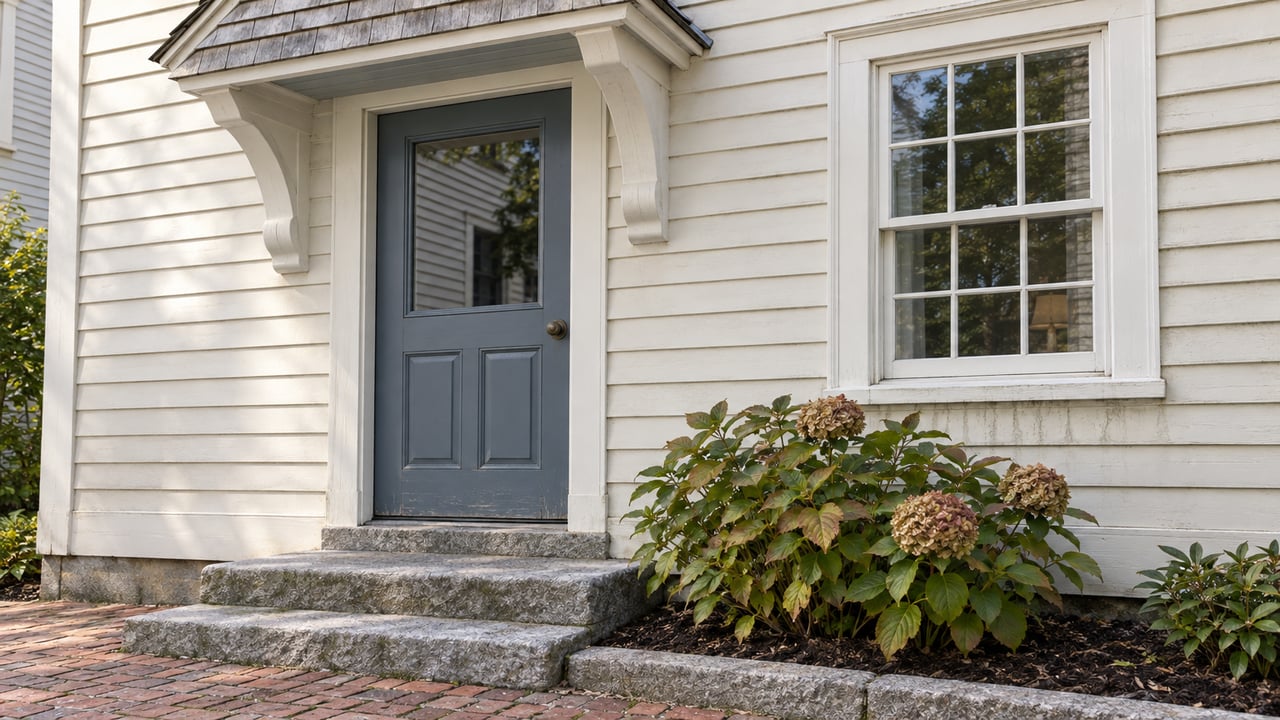
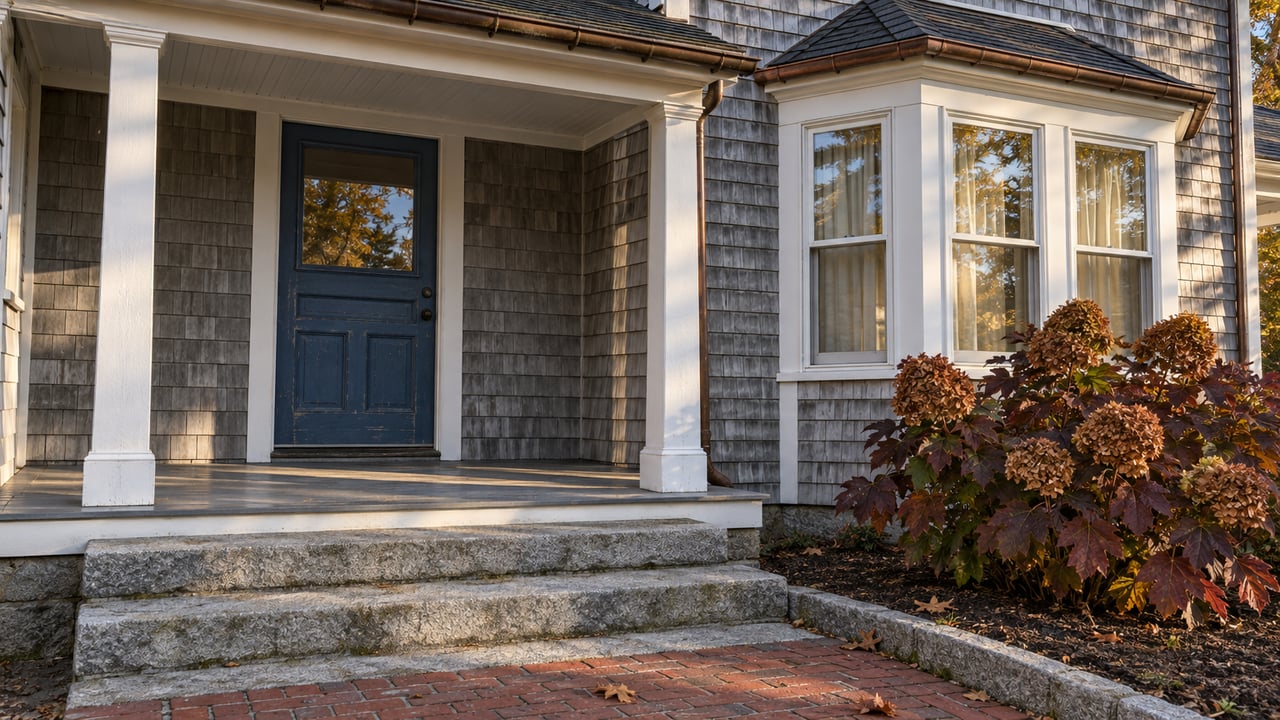
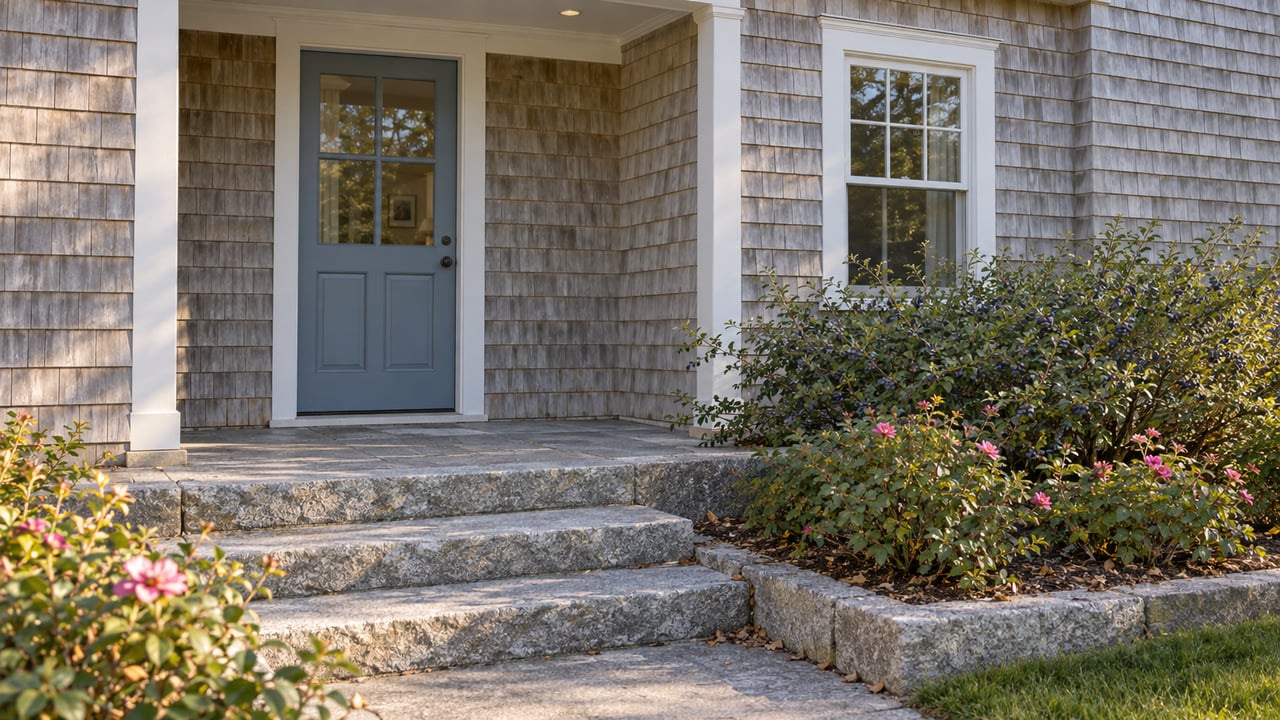
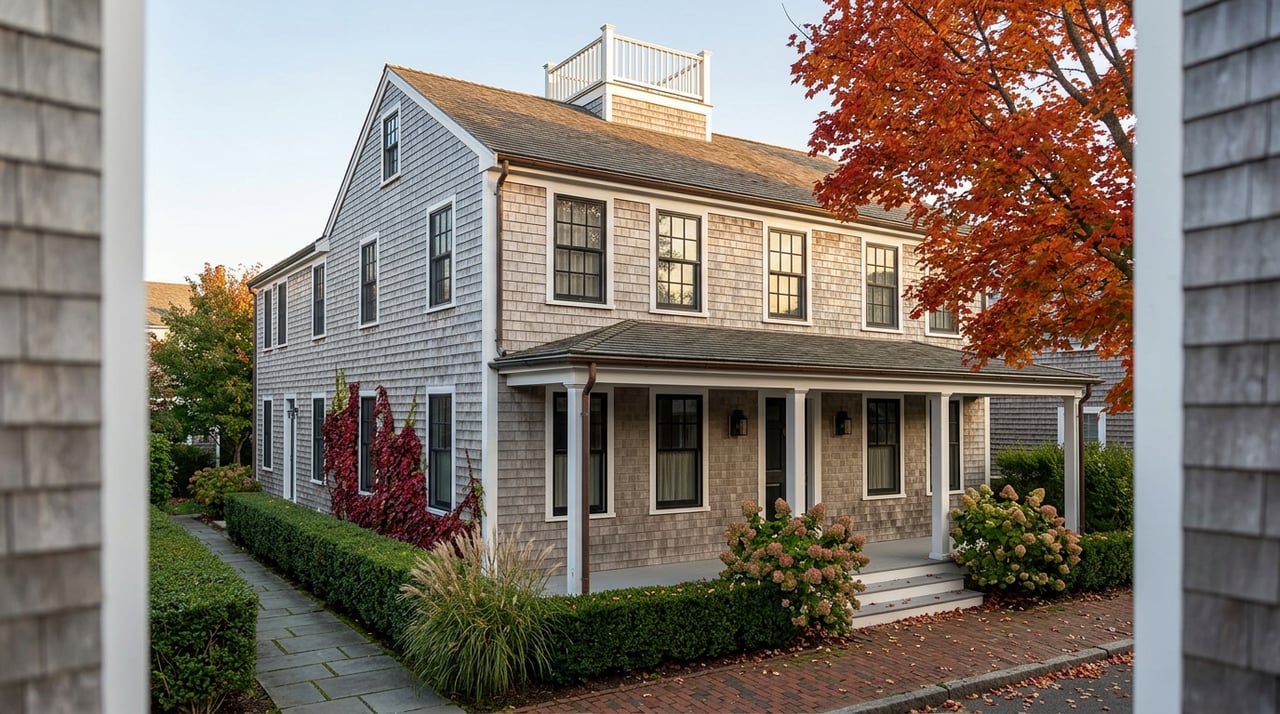
That can be a big part of the appeal. The borough’s history page notes that restored historic houses have long served as second homes for visitors who did not want to leave. If your idea of a retreat includes original details, a classic coastal setting, and a sense of permanence, Stonington lines up well with that vision.
What to Think About Before You Buy
A weekend home should feel like a getaway, but it still needs a solid ownership plan. In a coastal town with a meaningful share of seasonal homes, it is smart to think beyond the showing itself.
Here are a few practical questions to ask as you evaluate properties:
- How will you handle off-season upkeep if the home sits empty during parts of the year?
- Does the property’s age suggest future maintenance or renovation needs?
- If the home is near the water, what weather exposure should you plan for?
- If you hope to make updates, will shoreline or local permitting affect your timeline?
- Will the layout work for how you actually spend weekends, including hosting guests or working remotely?
These are not reasons to avoid older or coastal homes. They are simply part of making a smart purchase. A charming shoreline property can be an excellent fit, but it helps to go in with a clear plan for maintenance, access, and long-term use.
Historic Homes Need a Different Mindset
Because so much of Stonington’s housing stock is older, buyers should expect character to come with responsibility. Older detached homes often offer the charm that draws people to the area in the first place, but they may also require more hands-on care than newer construction.
That does not mean you need to avoid them. It means you should evaluate each property with your weekend routine in mind. If you want low-stress ownership, it is worth asking whether the home’s systems, exterior condition, and renovation history support part-time use.
This is where local guidance can make a real difference. In a market shaped by historic homes, shoreline conditions, and seasonal ownership, details matter. A property that looks perfect online may call for a closer look at maintenance demands, harbor-area logistics, or future improvement options.
Thinking About Occasional Rental Use
Some buyers want a weekend retreat first and the option to rent it occasionally later. That can be part of the conversation, but it should always start with current rules, not assumptions.
At the state level, the Connecticut Department of Revenue Services says short-term home rentals for stays of up to 30 consecutive days are subject to a 15% room occupancy tax. The same guidance notes that rentals of 90 consecutive days or more are not subject to that tax.
At the local level, Stonington’s posted short-term rental materials are not perfectly consistent. The town’s short-term rental information includes an ordinance document that references annual registration, a permit, a local contact who can respond within 60 minutes, and written guest information covering issues like occupancy, emergencies, noise, and waste. The same materials also indicate that the Borough may regulate short-term rentals through zoning powers if it chooses.
The safest takeaway is simple: if rental use matters to you, verify the latest town and Borough requirements directly before you buy or market the property. Rules can affect how you plan guest stays, management support, and overall return expectations.
Guest Logistics Matter in Shoreline Homes
Even if you only plan to host family and friends, access details matter in a weekend-home setting. In shoreline areas, beach use, parking, boating access, and local permits can shape how easy the property is to enjoy.
For example, DuBois Beach access involves passes or daily fees. The town also notes that shellfish permits are available online and cover clams, oysters, and scallops, while Connecticut DEEP’s enhanced shore fishing guidance lists Stonington Point and the Stonington Town Dock Fishing Pier as access sites. If your ideal weekend includes these activities, it helps to understand the logistics early.
Stonington also has an active Harbor Management Commission and adopted harbor management plan. That is useful context if water access is a priority, because it shows harbor use is managed through a local framework rather than left entirely informal.
How to Choose the Right Retreat
The best weekend home is not always the most dramatic one. Often, it is the property that fits your habits, your travel pattern, and the amount of upkeep you want to take on.
As you narrow your search in Stonington, focus on a few basics:
- Travel ease: How quickly can you get there from home?
- Lifestyle fit: Do you want walkable harbor access, beach proximity, or a quieter semi-rural setting?
- Home condition: Does the property support part-time ownership without constant projects?
- Future flexibility: If your plans change, could the home still work for longer stays, retirement, or verified rental use?
Stonington stands out because it offers more than just coastal scenery. It combines historic-village atmosphere, working-harbor energy, and a housing stock already shaped in part by seasonal use. For many buyers, that makes it a very natural place to look for a true weekend retreat.
If you are weighing your options on the Connecticut shoreline, working with a local team can help you compare properties clearly and think through the details that matter after closing. When you are ready to explore Stonington homes with practical guidance and responsive support, connect with Town & Shore Realty.
FAQs
What makes Stonington, Connecticut appealing for a weekend retreat?
- Stonington offers shoreline character, historic harbor appeal, and access within two hours or less of cities like Boston, Providence, Hartford, New Haven, and New York City, according to the Town of Stonington.
What types of homes are common in Stonington for second-home buyers?
- The town’s community profile shows a housing stock centered on single-family detached homes, with many properties built before 2000 and a meaningful share of seasonal or summer-home use.
What should buyers know about owning a part-time home in Stonington?
- Buyers should think about off-season maintenance, weather exposure, and the upkeep that can come with older coastal homes, especially if the property will sit vacant for parts of the year.
What should buyers know about short-term rentals in Stonington?
- State tax rules apply to short-term rentals, and local Stonington materials suggest buyers should verify the latest town and Borough requirements directly before assuming rental use is allowed.
What shoreline activities are available near a Stonington weekend home?
- Depending on location and access rules, you may enjoy boating, beach visits, fishing, shellfishing, and walking near the shoreline, with local access points and permit requirements varying by activity.
What is important to consider when buying an older home in Stonington?
- Many homes in Stonington are older, so it is important to review condition, maintenance history, and how well the property fits your desired level of weekend-home upkeep.