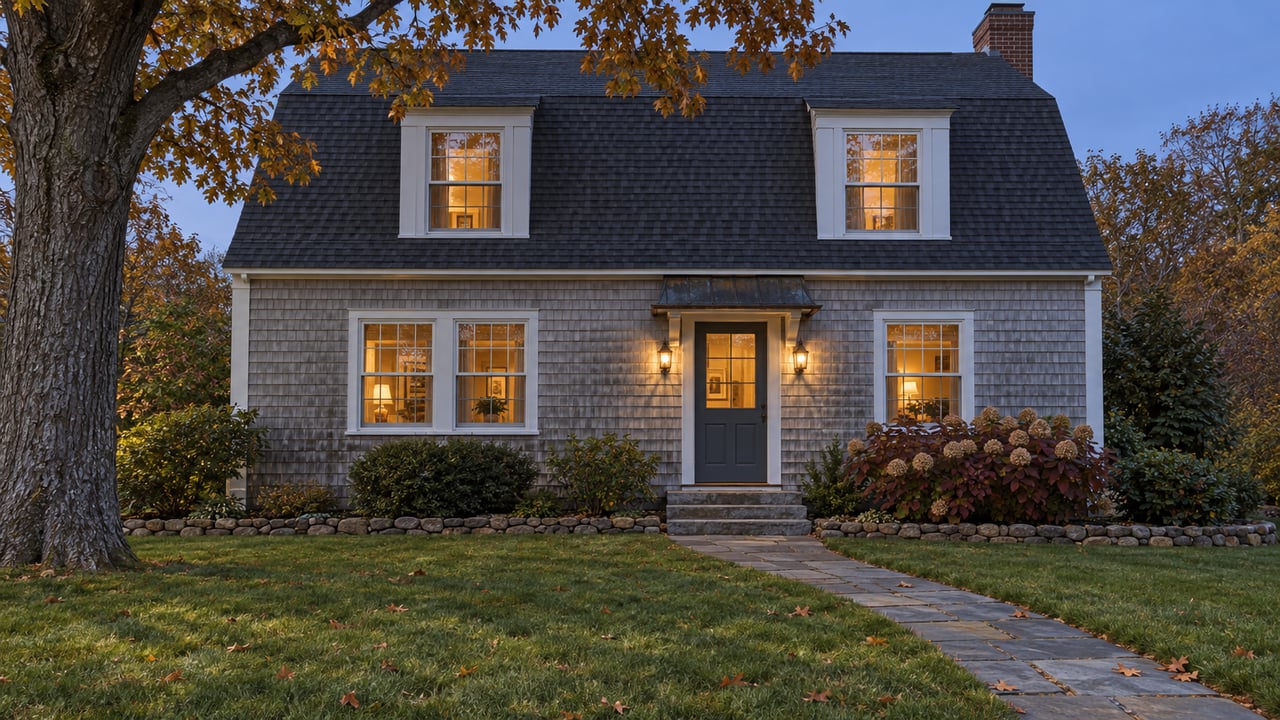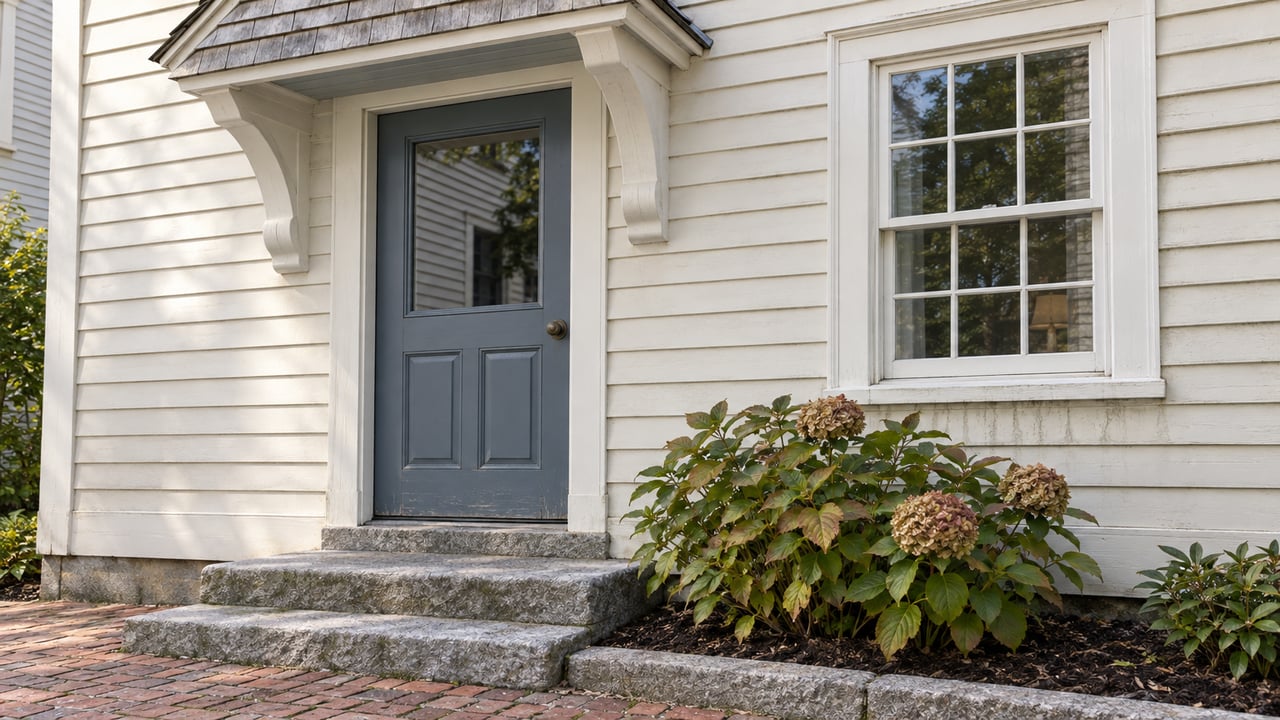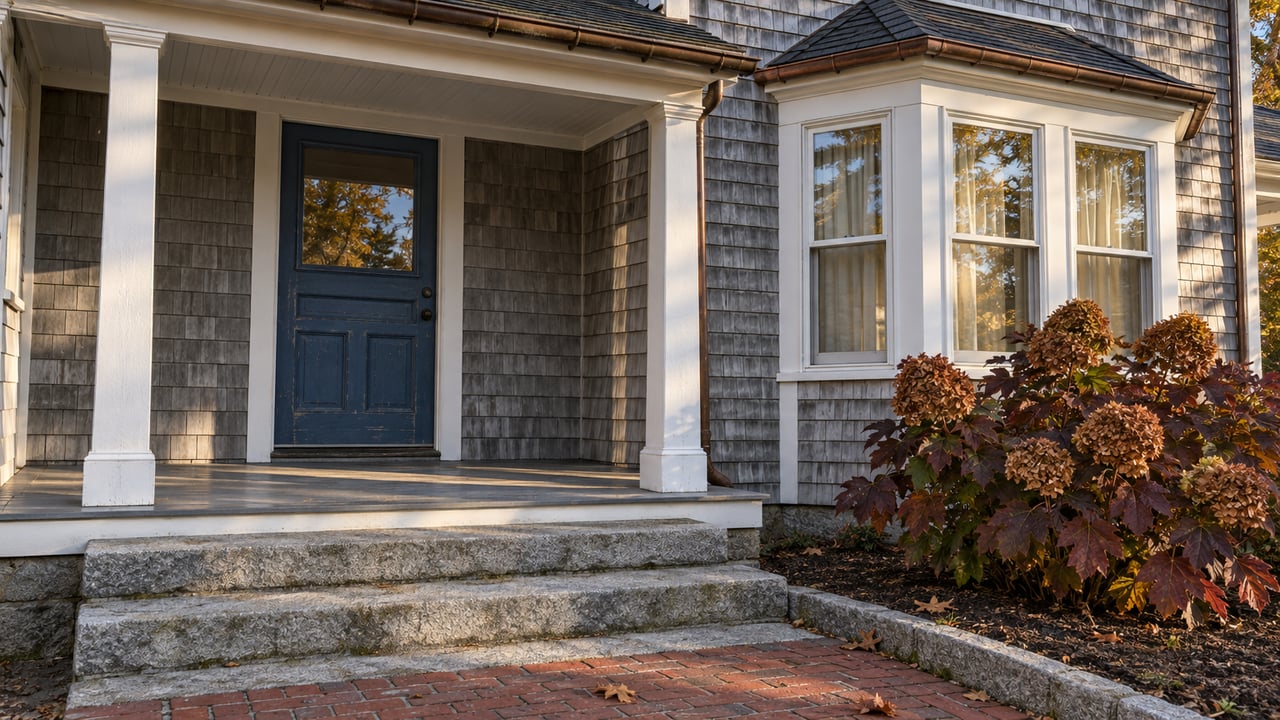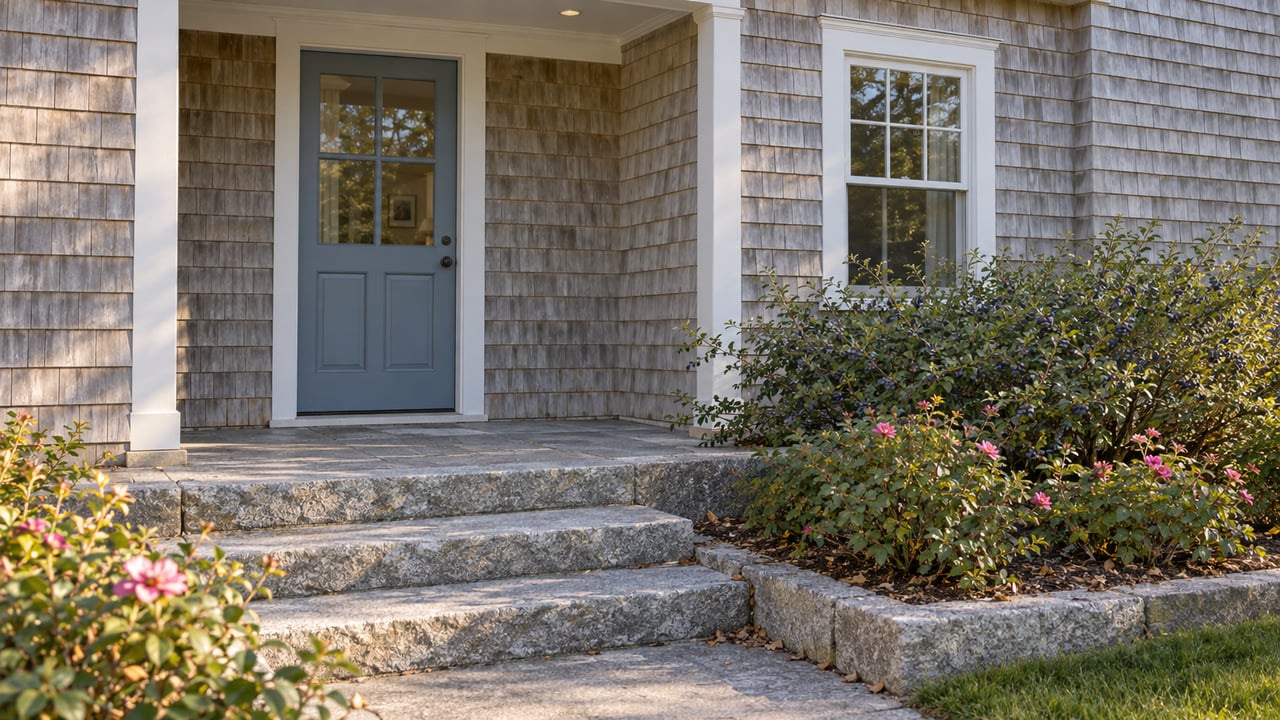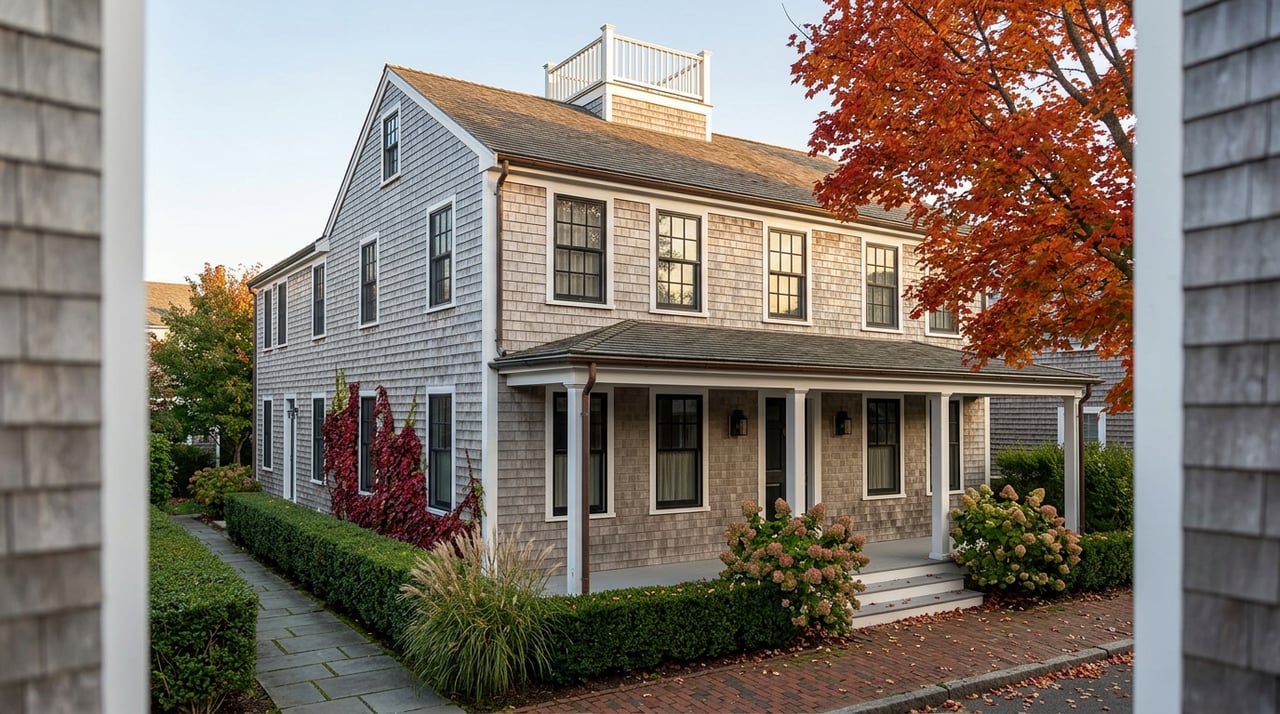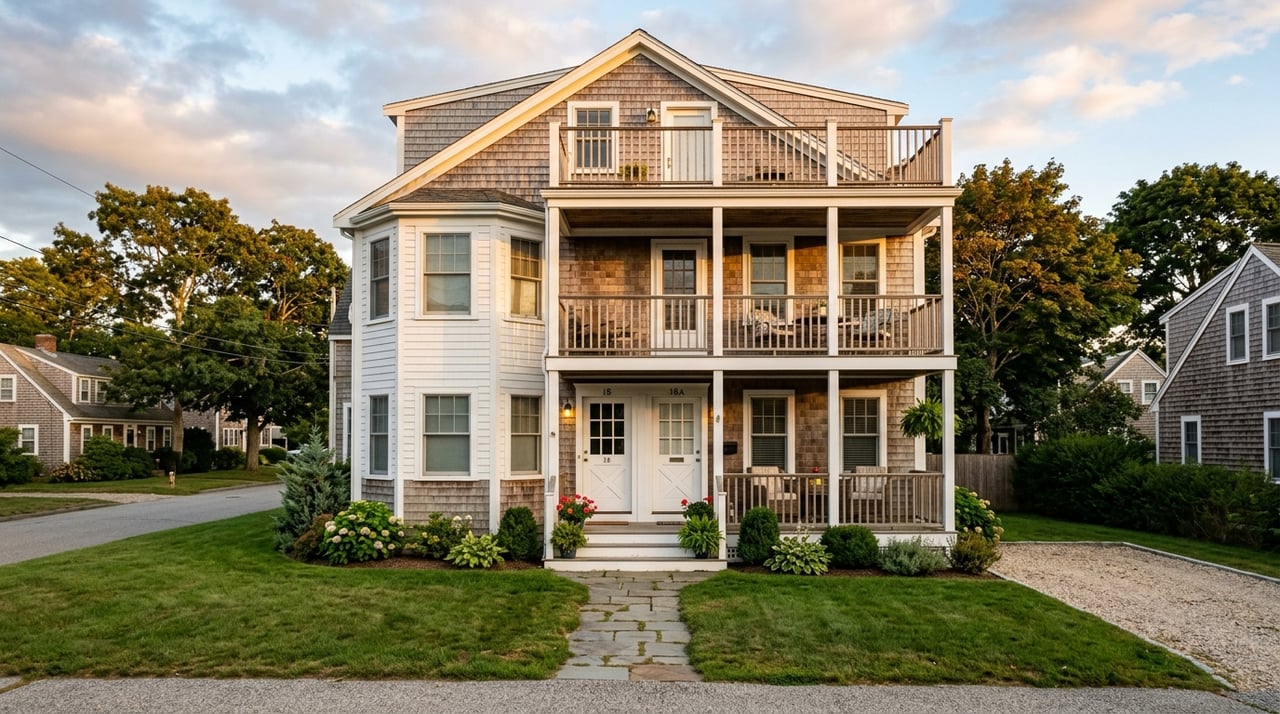
Thinking about buying a multi-family property in Westerly? You are not alone. For many buyers, a duplex, triplex, or four-unit property can offer a practical way to offset housing costs, build long-term wealth, or add an income-producing property in a coastal market with limited supply. The key is knowing that Westerly is not a one-size-fits-all multi-family market. If you understand the local housing stock, zoning rules, financing options, and operating costs before you buy, you can make a much smarter decision. Let’s dive in.
What Westerly’s Multi-Family Market Looks Like
If you picture large apartment complexes when you think of multi-family real estate, Westerly may surprise you. According to RI Housing’s 2024 housing study, 59% of multifamily units in town are in 2- to 4-unit properties. That means the market is shaped much more by smaller buildings than by newer large-scale apartment developments.
The same study shows that Westerly’s multifamily inventory is also relatively old. The median year built is 1974, and 24.9% of units were built in 1939 or earlier. For you as a buyer, that often means more character, but it can also mean more maintenance, more inspections, and more careful budgeting.
Another important detail is how limited the professionally tracked apartment supply is. The 2024 study identified just 30 buildings and 468 units in that segment, with a very low 0.8% vacancy rate in 2023. In plain terms, supply is tight, and the best opportunities often come from smaller properties that need thoughtful review rather than turnkey large-building inventory.
Why Location Matters in Westerly
In Westerly, location can shape both your entry price and your long-term strategy. The RI Housing study found a major gap between inland and coastal pricing, with inland properties averaging $460,500 and coastal properties averaging $1,012,500. Those figures cover several property types, so they are directional, but they still show how sharply values can shift across town.
The same report notes neighborhood median pricing ranging from roughly $350,000 in North End & Canal St and $396,000 downtown to more than $2.1 million in Watch Hill and $2.35 million in Weekapaug. For many buyers looking at smaller multi-family properties, in-town and corridor-adjacent areas may offer a more realistic starting point than shoreline locations.
That does not mean one area is automatically better than another. It means your search should match your goals. If you want owner-occupied rental income, value-add potential, or easier access to services and transportation, your property criteria may look very different from someone focused on a seasonal-use strategy.
Start With Zoning Before You Fall in Love
One of the biggest mistakes multi-family buyers can make is assuming a property can be used or expanded the way they want. In Westerly, that assumption can get expensive fast. The town’s zoning use tables show that two-family, three-family, and 4+ unit uses vary significantly by district.
In some districts, larger multi-family uses are prohibited. In others, they may require special approval. The zoning tables also use a P/Q designation, which means a use is permitted if sewer is available, but otherwise may require an aquifer protection permit.
That is why a parcel-level zoning review should happen early. If you are considering a conversion, an addition, or a property with nonconforming use questions, it is worth confirming exactly what is allowed before you commit.
Why in-town sites often make more sense
The housing study points out that higher-density housing is best suited to areas with public transportation, municipal water, and nearby amenities. It also notes that downtown-center and commercial or office zones are intended to preserve Westerly’s historic character.
For many small investors, this reinforces a practical takeaway: if you are looking for a functional small multi-family opportunity, in-town and corridor-adjacent parcels often deserve your first look. Shoreline properties may carry different constraints, different costs, and a very different operating profile.
Understand the Short-Term Rental Rules
If part of your plan includes short-term rentals, make sure you understand the rules before you underwrite the deal. Westerly requires annual short-term rental registration for rentals in residential zones that are offered for fewer than 28 consecutive calendar days.
That registration is only part of the picture. The ordinance also ties short-term rental operations to parking, noise, litter, and solid-waste requirements. In other words, short-term rental income should be treated as a regulated business model, not just a high-rent assumption.
This matters even more in a market with a seasonal layer. The RI Housing study says 17% of housing units are vacation or seasonal housing, and short-term rental listings grew 34% from 2021 to 2023. Early 2024 inventory reached 286 units, with an average daily rate of $458 and occupancy of 47%. Those numbers help explain why year-round rental supply can feel tight, but they also show why seasonality needs to be part of your math.
Underwrite Rent Conservatively
Rent estimates can look promising online, but you should treat them as a starting point, not the final answer. Current rental trackers for Westerly vary, with Zillow’s market data showing an average rent of $2,300, Realtor.com showing a median of $2,250, and Zumper showing a median of $2,000. With relatively small sample sizes, these figures are most useful as a range.
A more conservative benchmark comes from HUD’s FY2025 Fair Market Rent data, which lists $1,576 for a 2-bedroom unit in the Westerly-Hopkinton-New Shoreham HUD Metro FMR area. That number is not meant to mirror asking rents, but it is a helpful reminder that your projections should leave room for real-world operating costs and lender scrutiny.
Lenders also tend to discount rental income when qualifying you. Fannie Mae’s rental income guidance says current lease or market rent used for qualifying is generally multiplied by 75%. That reduction is meant to account for vacancy and maintenance, which is why gross scheduled rent is never the same as spendable cash flow.
A smart rent test for buyers
Before you buy, compare:
- Current in-place rents, if the property is occupied
- Active market rent estimates
- Conservative lender treatment of rental income
- Expected vacancy, repairs, utilities, taxes, and insurance
If the deal only works at peak rent with minimal expenses, it may not be as strong as it looks.
Budget for Age, Repairs, and Carrying Costs
In Westerly, maintenance is not a side issue. It is often one of the main drivers of whether a deal works. The housing study found that about one-quarter of units were built before 1940, and it identified at least 55 rental units without complete plumbing and 125 rental units without complete kitchens in 2022.
Even if some of those counts overlap, the message is clear. Older housing stock can come with deferred maintenance risk, and your inspection period should be used carefully. A property that looks like a value-add opportunity can quickly become more expensive if major systems are near the end of their life.
You will also want to pencil out taxes and utility-related costs early. Westerly’s current tax rate page lists a real property tax rate of $7.11 per $1,000 in non-sewer districts and $7.78 per $1,000 in sewer districts. The town also charges $356 per livable unit per year for sewer access where public sewer is available, along with a minimum water charge of $63 per livable unit and higher overage pricing for multifamily use.
On a small building, those numbers can make a real difference in your net operating income. It is much better to know that before you make an offer than after closing.
Check Flood and Hazard Risk Carefully
Flood exposure deserves special attention in Westerly, especially for shoreline or low-lying properties. The town’s hazard mitigation information notes vulnerability to sea-level rise, inland and street flooding, hurricanes, and coastal hazards.
That does not mean every property is a bad fit. It does mean you should verify flood zone status, drainage conditions, elevation concerns, and insurance implications as part of your due diligence. A property with attractive income potential can look very different once flood insurance and site conditions are factored in.
For some buyers, this step is where local guidance really matters. A property may look straightforward online but raise practical issues once you dig into site conditions, operating costs, and the long-term ownership picture.
Know Your Financing Options
Your financing path should match how you plan to use the property. If you plan to live in one unit, owner-occupant financing may be an option. If you are buying purely as an investment, the loan structure will likely look different.
According to HUD’s Single Family Handbook 4000.1, FHA single-family programs apply to one- to four-family owner-occupied principal residences. At least one borrower must occupy the property within 60 days and intend to stay for at least one year. That can make FHA useful for a house-hack strategy, but not for a fully non-owner-occupied investment purchase.
On the conventional side, Freddie Mac’s guide for 2- to 4-unit properties states that owner-occupied loans are available for primary residences, while 2- to 4-unit investment properties may allow up to 75% loan-to-value on purchase loans. In practical terms, investor financing often means bringing more cash to closing and holding reserves after the purchase.
Questions to ask your lender early
- Is this property being financed as owner-occupied or investment?
- How will projected rents be treated for qualifying?
- What down payment and reserve requirements apply?
- Will current leases or tax returns be required?
- How do condition issues affect the loan program?
These answers can help you focus on the right properties and avoid wasting time on deals that do not fit your financing plan.
A Practical Due Diligence Checklist
When you are evaluating a multi-family property in Westerly, it helps to move through the process in a clear order. A fast first-pass review can save you time and reduce surprises later.
Start with these core items:
- Confirm the zoning district and allowed use
- Review current rents and local rent comps
- Estimate taxes, sewer, water, and insurance
- Check roof, HVAC or boiler, electrical, plumbing, and foundation condition
- Confirm sewer or septic status
- Review flood exposure and drainage
- Understand any short-term rental restrictions if that is part of your plan
- Ask your lender to model the deal using your actual loan program
This kind of step-by-step review is especially helpful in a market like Westerly, where older buildings, location differences, and regulatory details can have a big impact on the numbers.
The Bottom Line for Multi-Family Buyers
Buying a multi-family property in Westerly can be a smart move, but it usually rewards careful buyers more than fast buyers. The strongest opportunities often come from understanding the local housing stock, reviewing zoning at the parcel level, underwriting rent conservatively, and planning for real carrying costs from day one.
If you want help sorting through Westerly multi-family options, comparing locations, or building a practical buying strategy, Town & Shore Realty can help you take the next step with local insight and hands-on guidance. Schedule a free consultation.
FAQs
What types of multi-family properties are most common in Westerly?
- In Westerly, the multi-family market is mostly made up of smaller 2- to 4-unit properties rather than large apartment buildings, according to RI Housing’s 2024 housing study.
Does zoning affect whether you can buy or convert a multi-family property in Westerly?
- Yes. Westerly’s zoning rules vary by district, and permitted multi-family uses can depend on parcel location, sewer availability, and whether special approvals are required.
Can you use FHA financing to buy a multi-family property in Westerly?
- Yes, but generally only if the property is a one- to four-family owner-occupied principal residence and at least one borrower plans to live there under FHA occupancy rules.
Are short-term rentals allowed in Westerly multi-family properties?
- They may be, but rentals in residential zones for fewer than 28 consecutive days require annual registration and must follow local parking, noise, litter, and waste rules.
What costs should you estimate before buying a multi-family property in Westerly?
- You should estimate purchase price, taxes, sewer and water charges, insurance, repairs, maintenance, vacancy, and any flood-related costs before deciding whether the property works financially.
Is buying a multi-family property in Westerly better for owner-occupants or investors?
- It can work for either, but the right fit depends on your goals, financing plan, risk tolerance, and whether the property’s zoning, condition, and income potential support your strategy.