The nickname makes it sound simple. Rhode Island's new Non-Owner Occupied Property Tax has been called the "Taylor Swift Tax" in headlines from Kiplinger to the legal trade press, and the reason is obvious. Swift's oceanfront estate sits in Watch Hill, purchased in 2013, and it remains the most expensive residential property in the state. The name stuck because a pop star's beach house is a better headline than a statute number.
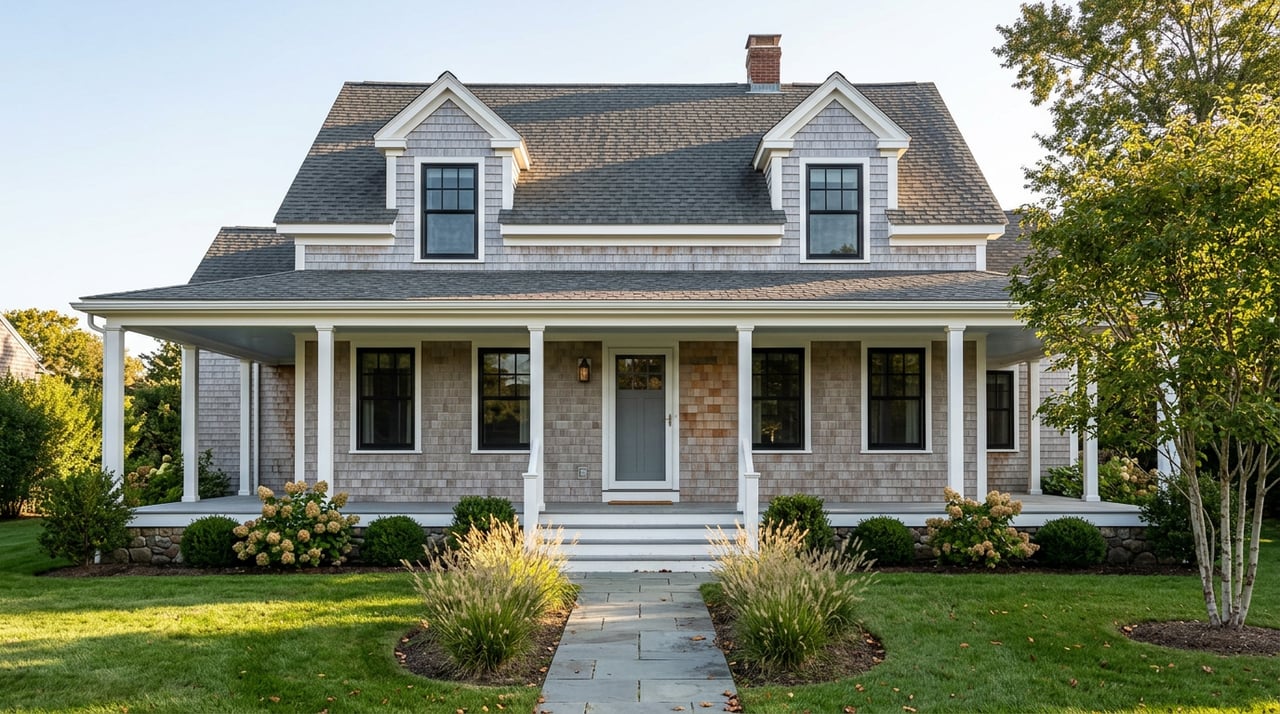
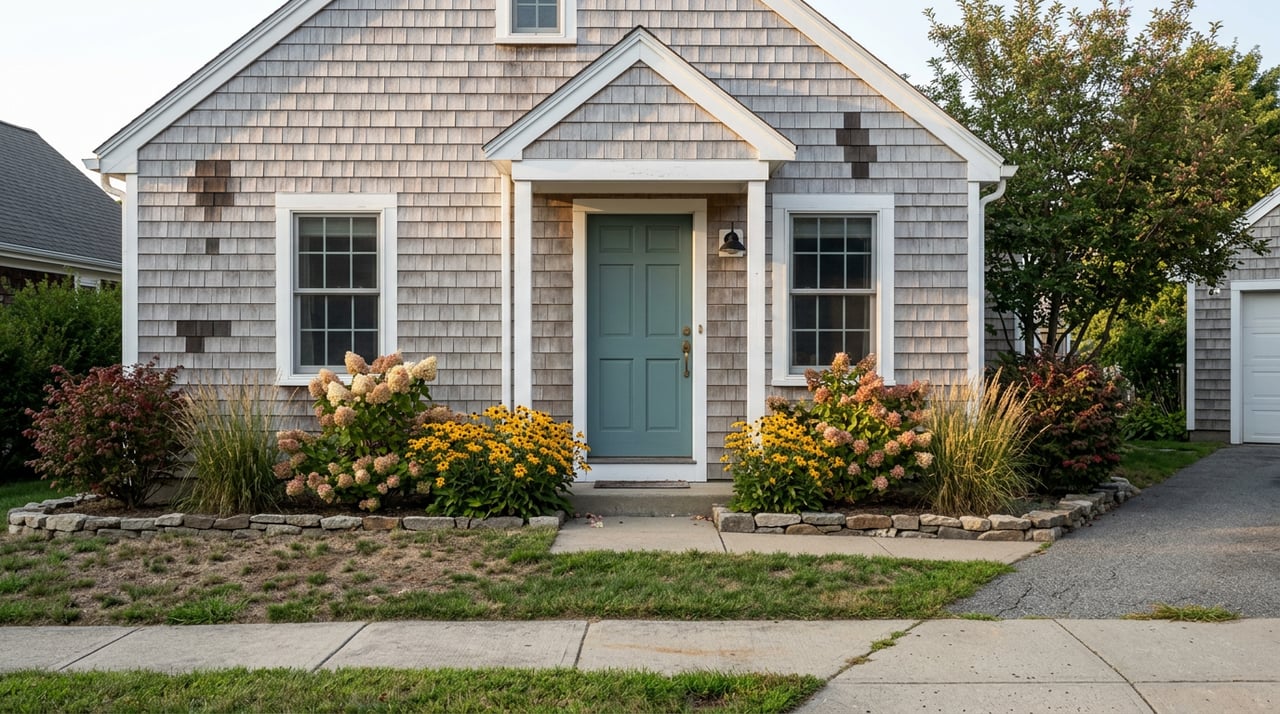
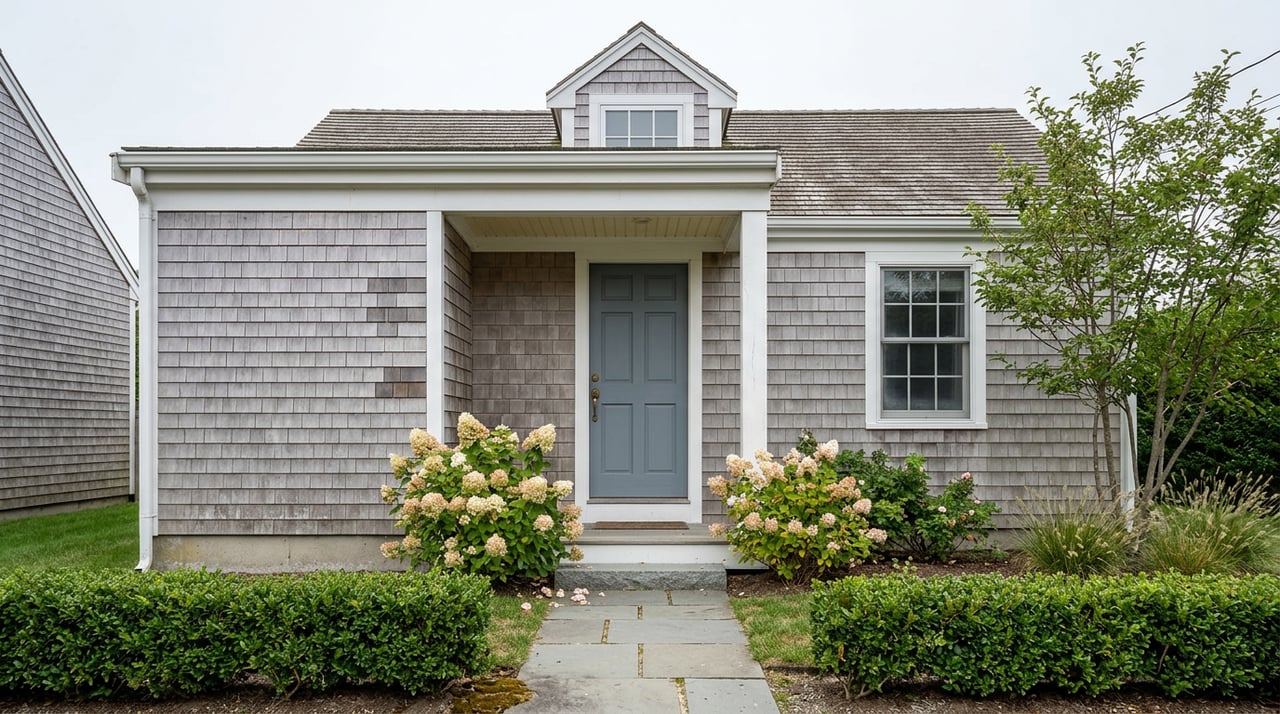
But spend any time with the actual mechanics of this law, and the story shifts. The people it reaches hardest in Watch Hill are not the owners of eleven-thousand-square-foot compounds with turrets and tennis courts. They're the families who have held a modest shingled cottage near Bay Street for three or four generations, the ones with a place too small to call a mansion and too valuable, because of where it sits, to slide under a $1 million assessment.
Watch Hill has always carried a certain reputation. The New York Times once described it as a community "with a strong sense of privacy and of discreetly used wealth." That old-money quiet is exactly why this tax lands differently here than it does in a market built on flashier turnover.
What The Law Actually Taxes
The Non-Owner Occupied Property Tax Act took effect July 1, 2026, which for Rhode Island's fiscal calendar marks the start of the state's 2027 fiscal year. It's a new state-level surcharge, layered on top of whatever property tax a homeowner already pays their town, and it applies to residential property that clears two thresholds at once.
First, the property has to be assessed above $1 million. Second, the owner can't occupy it as a primary residence for more than half the year, and it can't be rented out for 183 days or more. Miss either exemption and the surcharge applies to every dollar of assessed value above that $1 million line, at a rate of $2.50 for every $500.
Here's what that looks like in practice, based on the calculation method laid out by tax attorneys tracking the law:
| Assessed Value | Additional Annual Surcharge |
|---|---|
| $1.2 million | $1,000 |
| $1.5 million | $2,500 |
| $2 million | $5,000 |
| $3 million | $10,000 |
The state estimates this will eventually reach somewhere between 9,000 and 10,000 properties statewide, generating roughly $25 million a year for Rhode Island's Low-Income Housing Tax Credit Fund, according to the Rhode Island Public Expenditure Council. The Rhode Island Division of Taxation has already sent occupancy questionnaires to more than 9,000 property owners to sort out who owes and who qualifies for an exemption.
Why The Land Is The Trap
Here's the part that matters most if you own, or are thinking about buying, in Watch Hill specifically. The $1 million threshold isn't really a house-size test. It's a land-value test, and Watch Hill's geography makes that distinction sharp.
The peninsula is small. It sits at the southwestern tip of the state, bounded by water on three sides, with Napatree Point stretching out beyond the village center. That scarcity has kept land values climbing for decades regardless of what's actually built on the lot. A two-bedroom cottage without central air, walking distance to the Flying Horse Carousel, can carry an assessed value north of $1 million purely on the strength of its address, not its square footage.
This is why the tax's structure creates a strange result. A brand-new construction with modern systems and a family's fifty-year-old summer place next door can face the same surcharge if both cross the assessment line, even though one gets used ten weekends a year and the other has been in the family since the Eisenhower administration.
The state's own guidance underscores this. One frequently asked question addresses a buyer who purchased a vacation home for $500,000 that's assessed at $1.3 million: the tax still applies. Purchase price is irrelevant. Only the assessed value, and specifically the value as of December 31, 2024 for this first tax year, decides whether the surcharge kicks in. An owner mid-appeal on that assessment doesn't get a pass either. The Division of Taxation has confirmed that disputed assessments don't pause the bill. You pay based on the current number, then file a refund claim if the appeal succeeds later.
The Exemption Two-Step
There are two ways out, and both require more than good intentions.
The first is straightforward on paper: live in the property yourself for 183 days or more, and it counts as your primary residence. Rhode Island expects documentation for this, generally in the form of a resident 1040 filing, driver's license, and other paperwork that would normally establish where you actually live.
The second is renting it out for 183 days or more, either through a long-term lease that falls under Rhode Island's Residential Landlord and Tenant Act, or through a short-term rental arrangement on a platform like Airbnb that's subject to Rhode Island sales tax. Either path counts, but the Division of Taxation has been blunt in its FAQ document that simply listing a property isn't enough. A seasonal cottage with no heat or running water in winter, rented out for half the summer, still owes the tax if it doesn't clear that 183-day bar for the full privilege year.
For families weighing whether to formalize a rental arrangement for the first time, the paperwork burden is real. Lease agreements, rent receipts, utility bills, bank statements tied to the property. If the goal is proving occupancy or rental status down the line, the operative advice from the tax attorneys covering this law amounts to keeping every scrap that shows the house was actually used the way you're claiming.
What Changes At The Closing Table
For anyone buying or selling a Watch Hill property above the $1 million mark this year, the tax adds a new item to the closing conversation that didn't exist before July.
The Division of Taxation has clarified who's on the hook when ownership changes mid-year. If you buy a property in May that later turns out to owe the tax, you're not responsible for that tax year's bill. The seller is, based on how the property was used before the sale closed. The reverse holds too: if you sell in May after having paid three of the four installments, the buyer doesn't inherit that year's remaining payment. That responsibility stays with the seller.
The Rhode Island Division of Taxation has published a full FAQ addressing scenarios like this one, and it's worth reading before any Watch Hill purchase agreement gets signed this year. The tax is paid in four installments, due September 15, December 15, March 15, and June 15. For anyone closing on a $1 million-plus Watch Hill property in the coming weeks, the first installment deadline of this new era lands in about five weeks from today.
Buyers should be asking sellers directly whether the property has been occupied, rented, or sitting empty over the past year, and asking for the paperwork to back up the answer. Sellers should have that documentation ready before a contract even gets drafted, since a murky occupancy history can complicate a closing that used to be routine.
The Choice This Tax Actually Forces
Step back from the mechanics and the tax is really an incentive structure aimed at a specific behavior: houses sitting empty most of the year. For an owner whose Watch Hill cottage has been a July-and-August place for as long as anyone can remember, the law now puts a price on that pattern, and the price scales with how valuable the land under the house has become.
That leaves three real paths. Occupy the property enough to clear 183 days, which for most families with jobs and lives elsewhere isn't realistic. Rent it out formally enough to clear the same bar, which turns a private family retreat into a landlord relationship with tenants, leases, and Rhode Island's rental regulations. Or absorb the new bill as a cost of keeping things exactly as they've always been.
None of those choices are wrong, but all three are new. A market that has operated for a century on quiet, low-turnover, generation-to-generation ownership now has a state tax nudging every owner above $1 million in assessed value to make an explicit decision about how the house gets used. That's a different kind of pressure than Watch Hill has faced before, and it has nothing to do with who else owns a house on the peninsula.
A Few Questions We're Hearing
Does this only apply in Watch Hill? No. The tax applies statewide to any qualifying non-owner-occupied residential property assessed above $1 million. Watch Hill draws attention because of the concentration of high land values and the Swift connection, but the same rules apply in any Rhode Island town where a property clears the threshold.
I inherited the family cottage and only use it a few weeks a year. Am I exempt? Not automatically. The tax looks at how the property is actually used during the privilege year, not the history of who owns it or how long it's been in the family. Inherited property is treated the same as any other non-owner-occupied residential property once it crosses the $1 million assessment line.
Does renting through Airbnb count toward the 183 days? It can, provided the rental is subject to Rhode Island sales tax and the property is genuinely rented, not just listed, for 183 days or more during the taxable year. Occasional summer bookings that don't add up to that many days won't clear the exemption.
What if my town is still processing an assessment appeal? The tax is still due based on the current assessed value while an appeal is pending. If the appeal succeeds later, the process runs through a refund claim rather than a pause on the current bill.
If you're weighing a purchase in Watch Hill this year, or trying to figure out where a family cottage now stands under this law, that's exactly the kind of question worth working through before you're staring down a closing date. Town & Shore Realty has spent years inside these transactions along the Rhode Island and Connecticut shoreline, and we're glad to walk through what a specific property's numbers actually look like. Schedule a free consultation and let's go through it together.