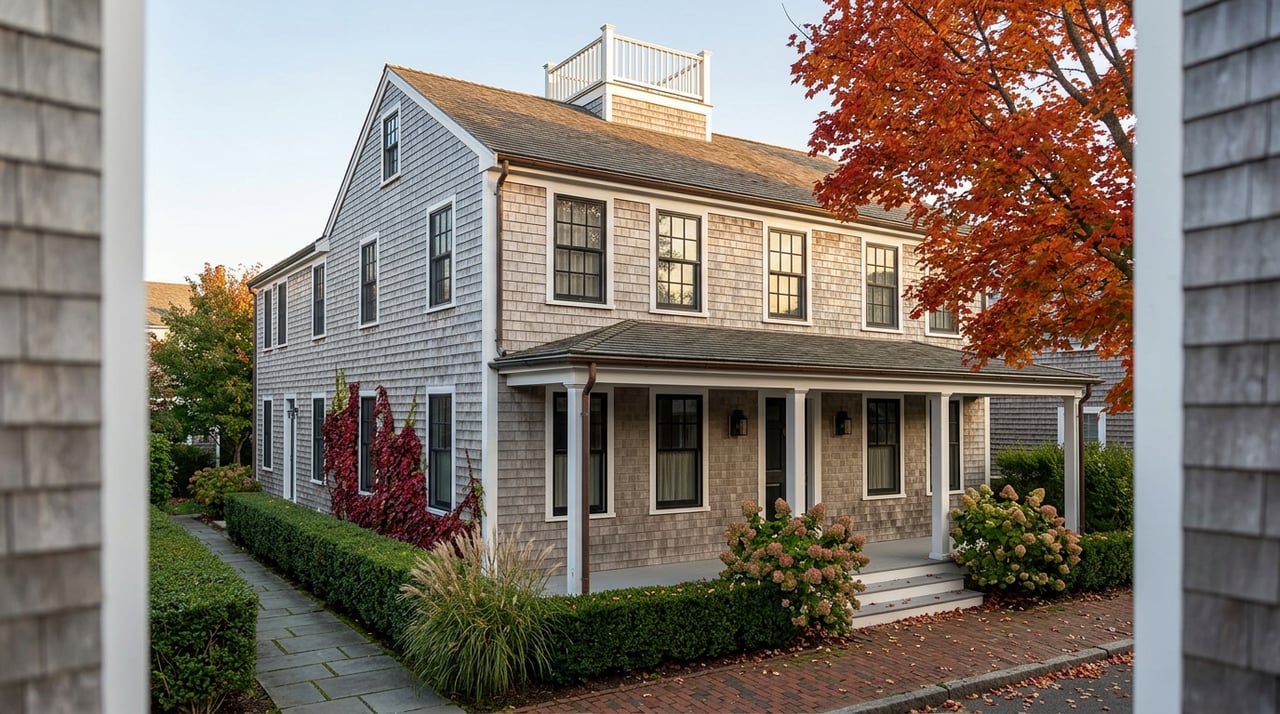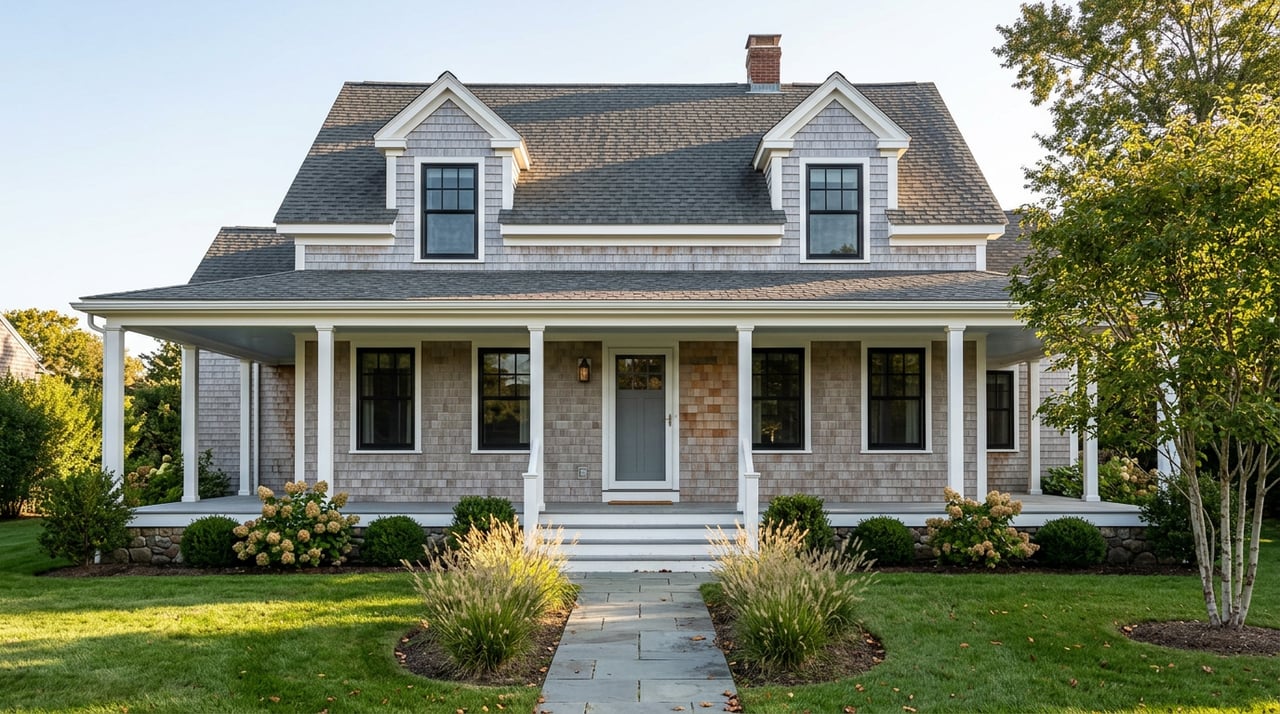
Picture the moment. You've made an offer on a three-bedroom cape off Route 1, the seller accepted, and your home inspector spent a Saturday morning in the crawlspace and came back with a clean report. Everyone assumes the septic question is settled. Then, a week before closing, your attorney flags something the private inspection never touched: the town has no record of a point-of-sale septic inspection on file, and without one, the property can't legally transfer.
This isn't a hypothetical. It's how Charlestown's wastewater rules actually work, and it catches people off guard because the septic conversation in most of Rhode Island revolves around a different, more dramatic story: the state's Cesspool Act, coastal buffer zones, and a phase-out deadline that already passed years ago. That story is mostly resolved in Charlestown. The town has already eliminated 99.9% of its polluting cesspools. The rule that actually governs your closing timeline is a quieter, town-specific one, and it applies to every septic system in Charlestown, not just the ones near the water.
The Question Most Buyers Ask Isn't the One That Matters
Ask around and you'll hear about the Rhode Island Cesspool Act of 2007, which requires any cesspool within 200 feet of a coastal shoreline feature or a public water supply intake to be replaced, with a phase-out deadline in those zones that closed back on January 1, 2014. Layer onto that the state's Coastal Resources Management Council rule that any septic system within 50 feet of the shoreline must be a zero-discharge system. Both are real, both are enforced, and both matter if you're eyeing a property tight against Green Hill, Ninigret, or Quonochontaug Pond.
But here's what that framing misses if you're buying anywhere in Charlestown, including inland from the ponds: the town has no municipal sewer system at all. Every household and business in town runs on a private well and a septic system, full stop. There's no fallback tie-in option, no downtown sewer stub to connect to if a system fails. That single fact is why Charlestown built its own wastewater management program back in 1994, well ahead of the state law, and why the town's Wastewater Management Ordinance applies to every septic system in Charlestown regardless of distance to a pond or the ocean. The state law is about location. The town's rule is about the sale itself.
What Charlestown's Ordinance Actually Requires
Under the town's ordinance, every septic system is required to be inspected at or before the point of sale by a Town of Charlestown Approved Septic Service Provider. If a system hasn't had a functional inspection, including a flow test, within the past year, a point-of-sale inspection has to happen before the property can transfer. That inspection isn't a formality. It's designed to check hydraulic capacity and catch a system that's marginal but not yet failed, the kind of thing a general home inspector isn't trained or licensed to evaluate.
The providers who can perform this inspection have to complete coursework through the University of Rhode Island's New England On-Site Wastewater Training Center and get approved directly by the town. A handful of local firms show up on the town's approved list, including Paul R. Mumford and Son and Sacco Enterprises, along with others based right in Charlestown like All-Ready Septic Service on Shannock Road. Whoever performs the inspection is required to upload the results to the town's septic database, which becomes the permanent record for that address.
Here's how the state and town rules actually stack, side by side:
| Rule | What triggers it | Where it applies |
|---|---|---|
| RI Cesspool Act (2007) | Cesspool within 200 feet of tidal shoreline or a public water intake | Coastal buffer zones only |
| CRMC zero-discharge rule | Septic system within 50 feet of shoreline | Immediate shoreline only |
| Charlestown point-of-sale inspection | Any property sale, if no inspection with flow test in the past year | Every septic system in town |
The first two rows describe a problem that Charlestown has largely already solved. The third row is the one that shows up on your closing checklist regardless of whether your future home is a quarter mile from Ninigret Pond or nowhere near the water.
Check SepticSearch.com Before You Write the Offer
The good news is that this record is public. Homeowners and real estate professionals can search Charlestown's septic database directly at SepticSearch.com, pulling up a property's inspection history and reports before an offer is even drafted. If the last inspection on file is more than a year old, you already know a point-of-sale inspection will need to be scheduled, and you can build that into your offer timeline instead of discovering it during attorney review.
This is the kind of check that costs nothing and takes minutes, and it's the difference between a septic condition being a planned step in your contract and an unplanned delay two weeks before you're supposed to have keys.
The Grant Program Underway Right Now
For sellers with an older or marginal system, timing matters in another way this year. Charlestown is in the middle of a $750,000 EPA-backed septic modernization program aimed at upgrading substandard systems across the Green Hill, Ninigret, and Quonochontaug Pond watersheds. The plan calls for installing FujiClean USA CEN Model OWTS units at 21 identified sites, with seven upgrades planned per year over three years. The town put the installation contract out to bid in early 2026, and each selected system is projected to cut groundwater nitrogen pollution by 66% compared to what it replaces.
This program is need-based and doesn't cover upgrades that are already required by a building permit or other trigger, so it won't apply to every seller. But for a homeowner in one of those three watersheds sitting on a system that's aging out, it's worth a call to the town's Wastewater Management Office before assuming a full-price out-of-pocket replacement is the only path. Charlestown also participates in the state's Community Septic System Loan Program, which offers homeowners in participating towns low-interest financing up to $25,000 specifically for septic repair or replacement, administered through RIHousing. For a seller weighing whether to upgrade before listing or negotiate a credit at the table, a low-cost loan changes that math.
What This Means If You're Under Contract This Fall
Charlestown's home sales have stayed fairly steady through 2026, with the market moving at a similar pace as last year in terms of transaction volume, though the average time from listing to sale in July 2026 stretched to 48 days, up from 39 days the year before. In a market where closings already take a little longer than they used to, a septic inspection surprise is exactly the kind of delay that pushes a deal past a rate lock or a moving date.
If you're actively looking at Charlestown properties, a few steps are worth doing before you're under contract, not after:
- Pull the property's history on SepticSearch.com to see the date of the last inspection on file
- Ask your agent to confirm in writing whether a point-of-sale inspection has already been scheduled or completed
- If the property sits within one of the three pond watersheds and the system looks original, ask whether it's been considered for the town's modernization program
- Build a few extra days into your contract timeline for scheduling with a town-approved inspector, since availability isn't unlimited
If you're selling, the same database works in your favor. Getting ahead of the inspection before you list means the report is already in hand when a buyer's attorney asks for it, instead of becoming a closing-week scramble.
A Few Questions We Hear
Does every home in Charlestown have a septic system? Yes. The town has no municipal sewer system, so every household and business relies on a private well for water and a septic system for wastewater.
Is my system automatically a cesspool if it's older? Not necessarily. Charlestown has already eliminated 99.9% of the polluting cesspools that once existed in town, and any system installed since around 1970 is unlikely to be a true cesspool. A town-approved inspector can confirm what type of system a specific property has.
What happens if the inspection turns up a problem right before closing? The ordinance doesn't specify who has to pay for a repair or upgrade, which means it's a point of negotiation between buyer and seller like any other inspection finding. Knowing the town's modernization program and the state's low-interest loan option ahead of time gives both sides more room to work with.
Septic paperwork isn't the most exciting part of buying or selling in Charlestown, but it's the part that actually controls your timeline. If you're weighing a property near the salt ponds, or anywhere else in town, Town & Shore Realty can walk through what a specific address's septic history looks like before you write an offer. Schedule a free consultation and let's get ahead of it together.